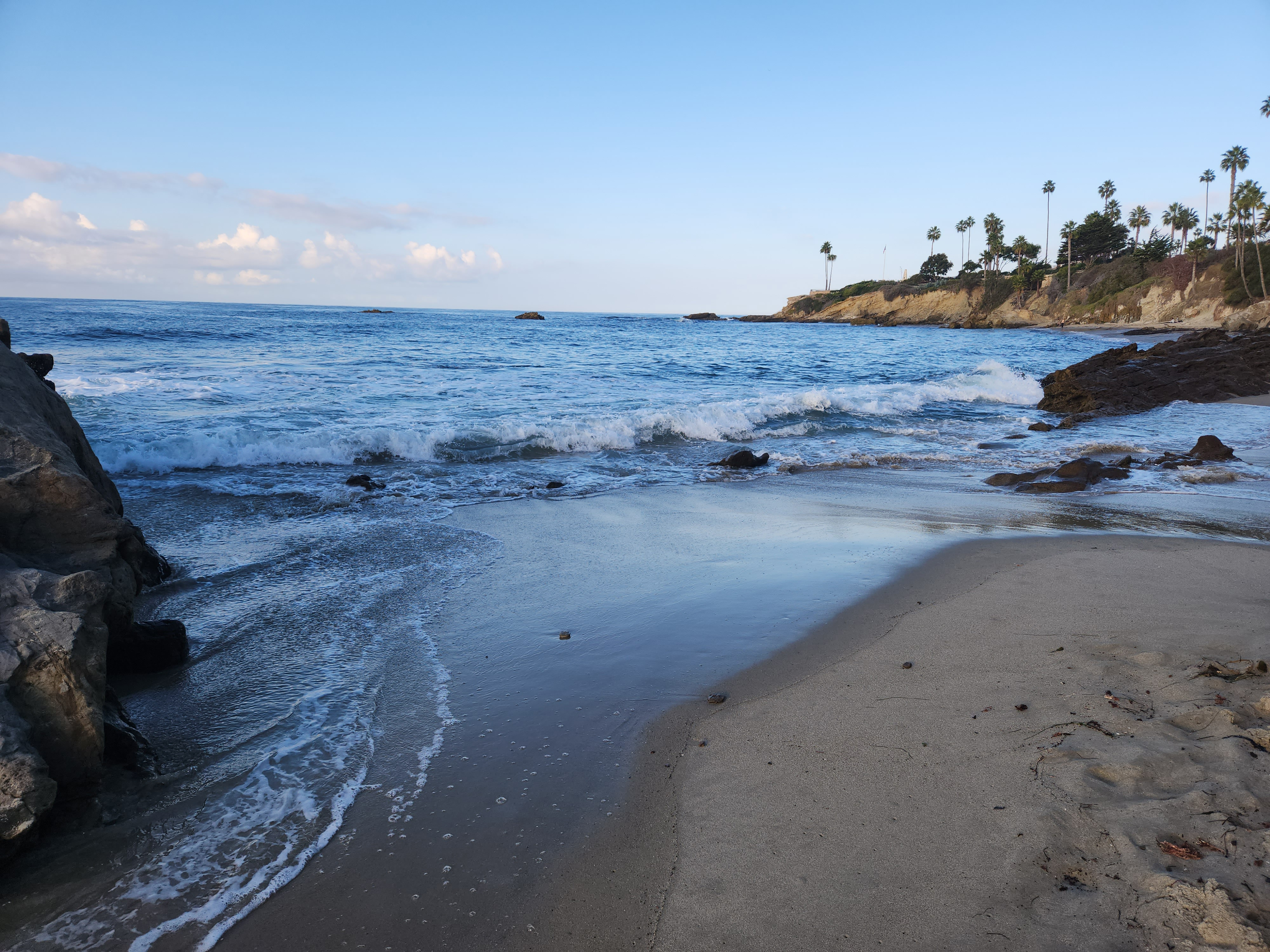
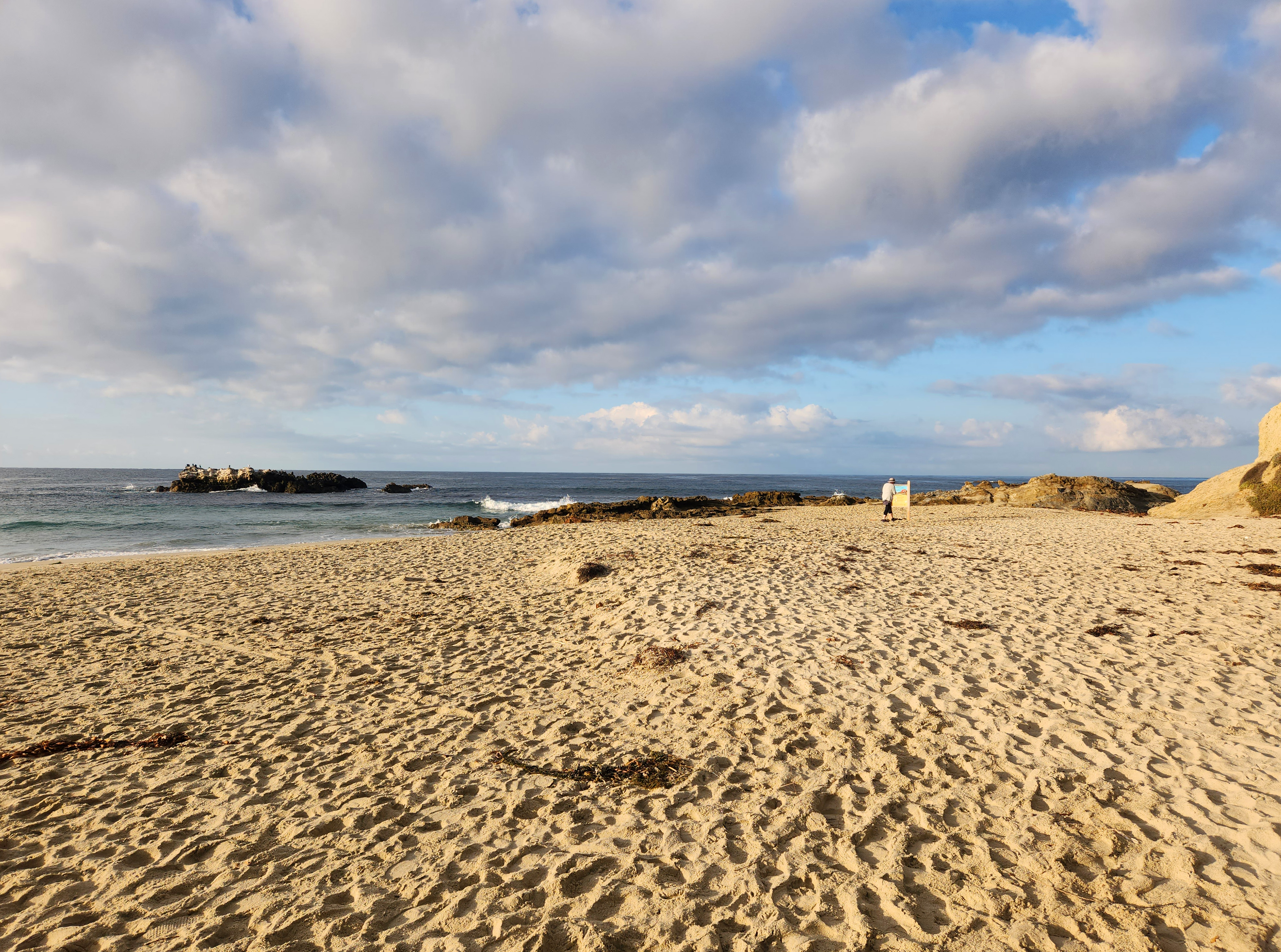
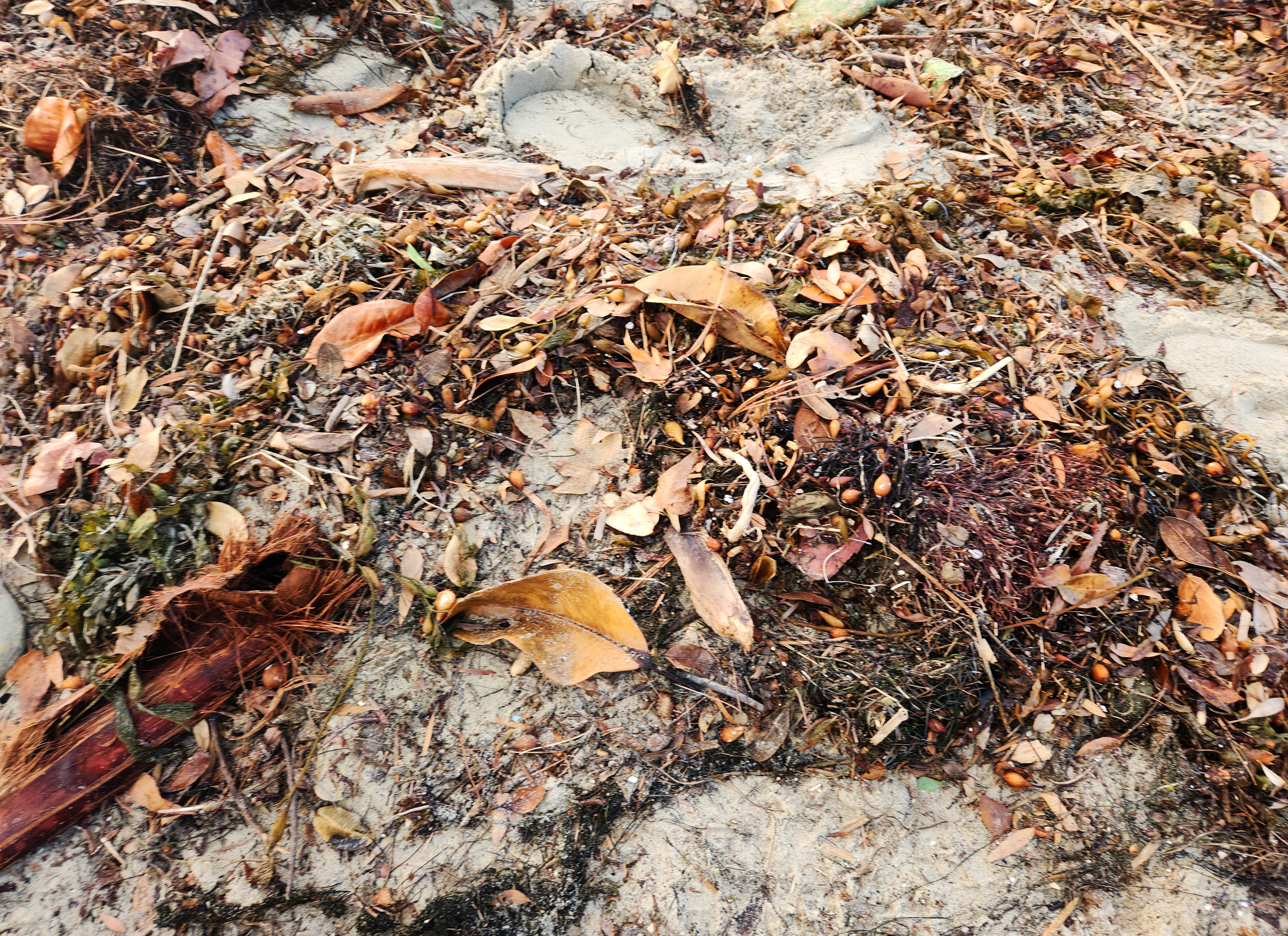
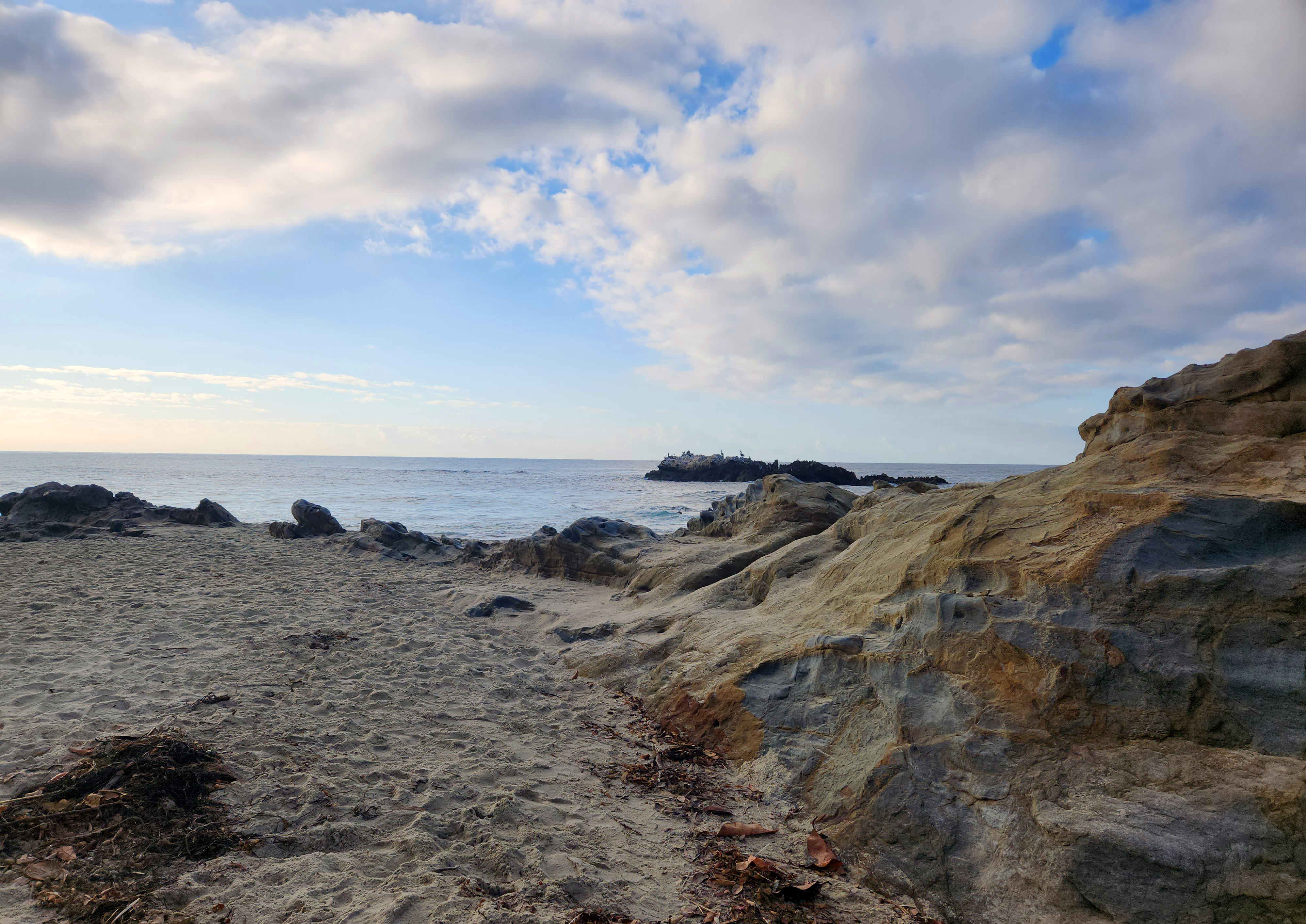
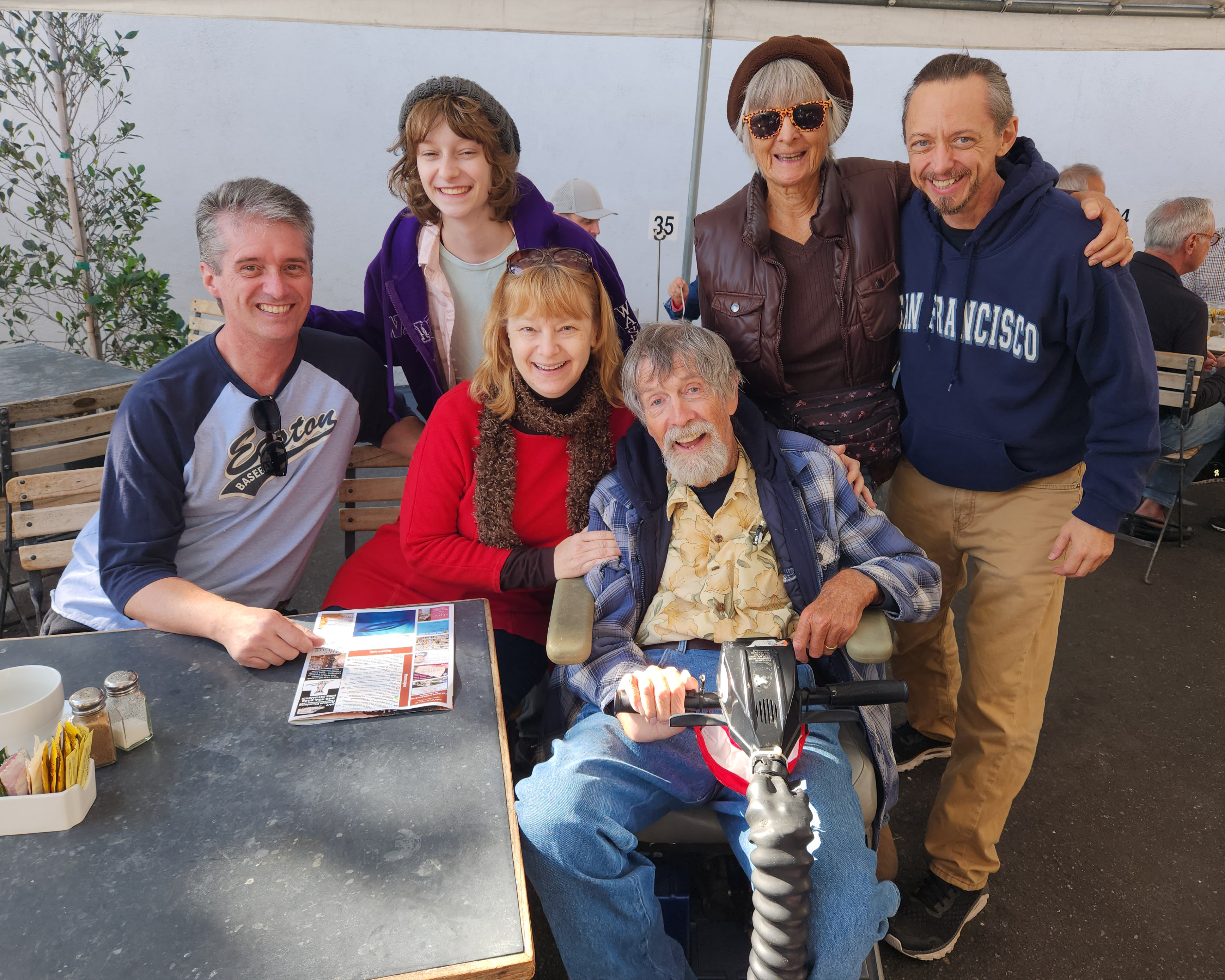
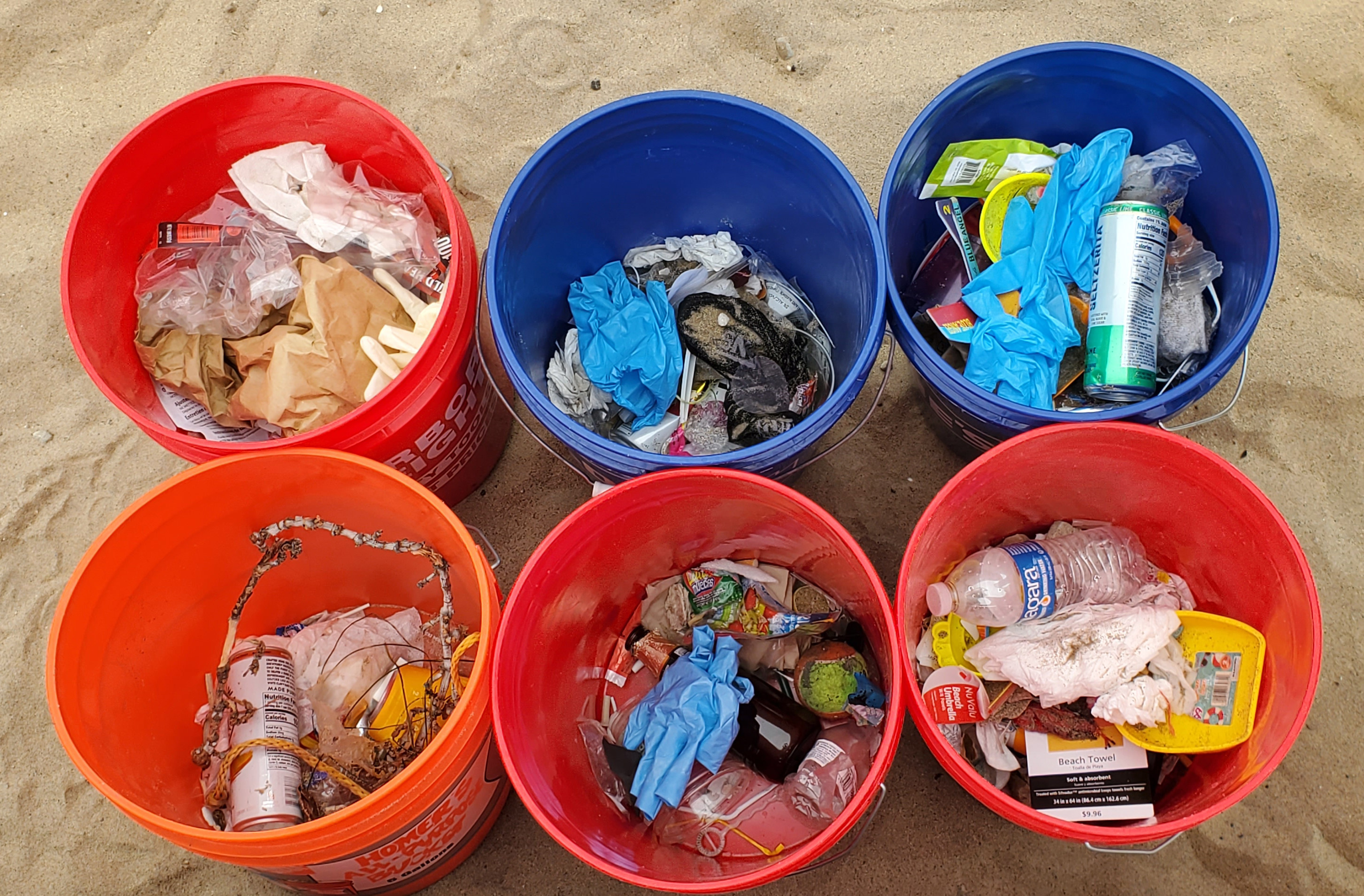
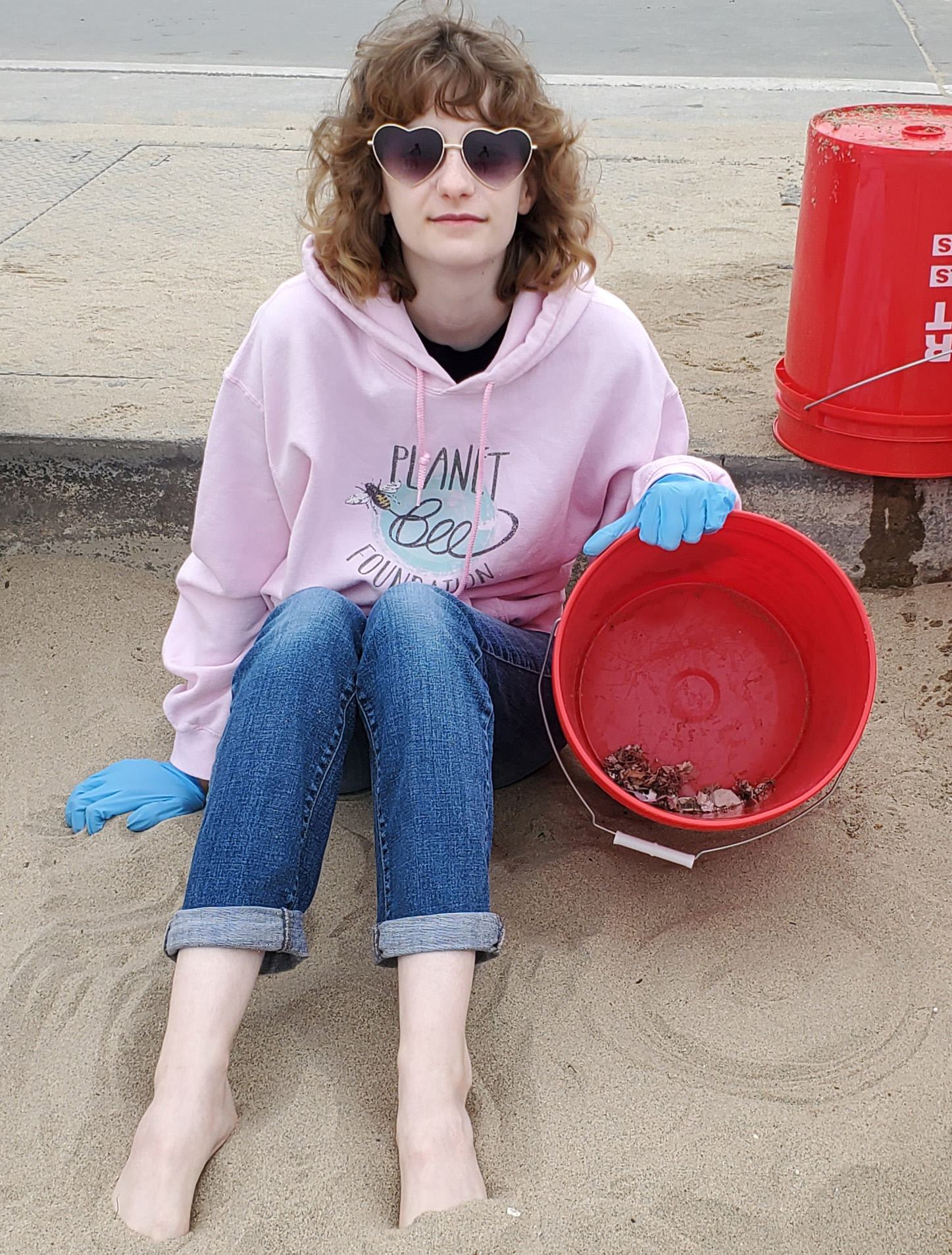
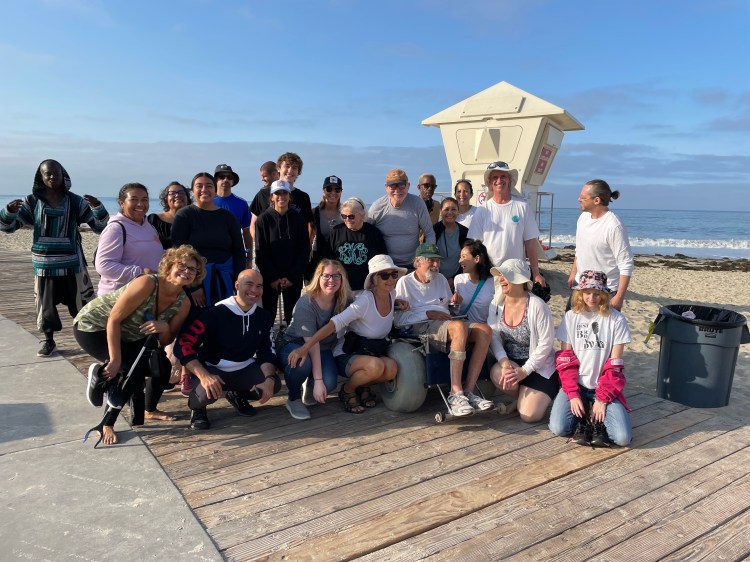
Pictures from one of our regular beach clean-ups. It’s not just about picking up trash, it is about honoring the Natural world and showing gratitude for Mother Earth that sustains life.
Be the best lover and defender of Mother Earth you can be!
Pictures from one of our regular beach clean-ups. It’s not just about picking up trash, it is about honoring the Natural world and showing gratitude for Mother Earth that sustains life.
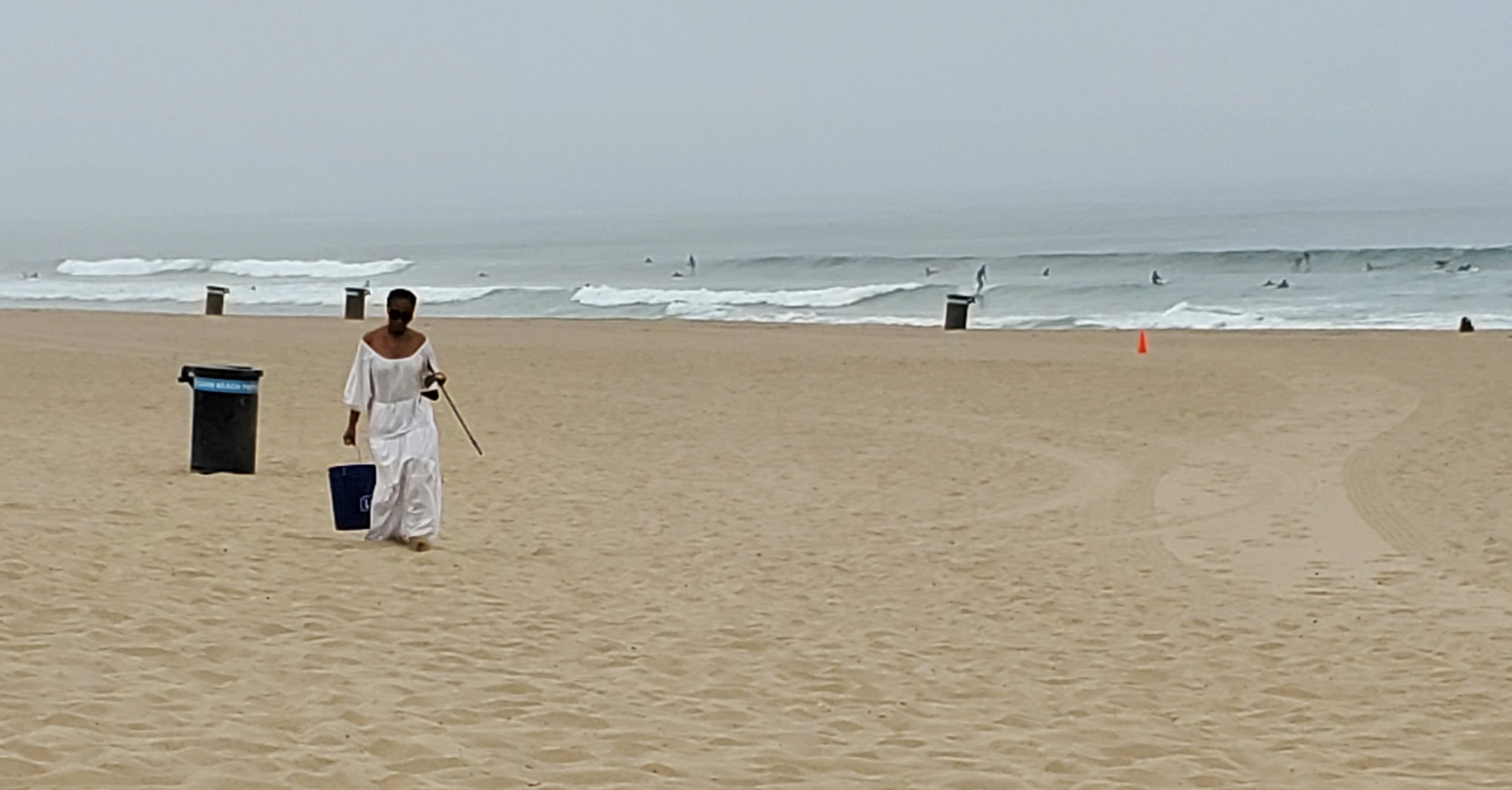
As a Summer Solstice celebration, on Sunday June 26, 2022 we did a beach clean-up and ceremony to honor Bruce’s Beach. Our beach clean-ups are a way for us to connect with the Earth and give gratitude for the gifts of the Natural world.
After the beach clean-up Phoenix lead a powerful ritual ceremony to honor the Bruce family, and as an offering to heal the traumas of racial abuses that happen there.
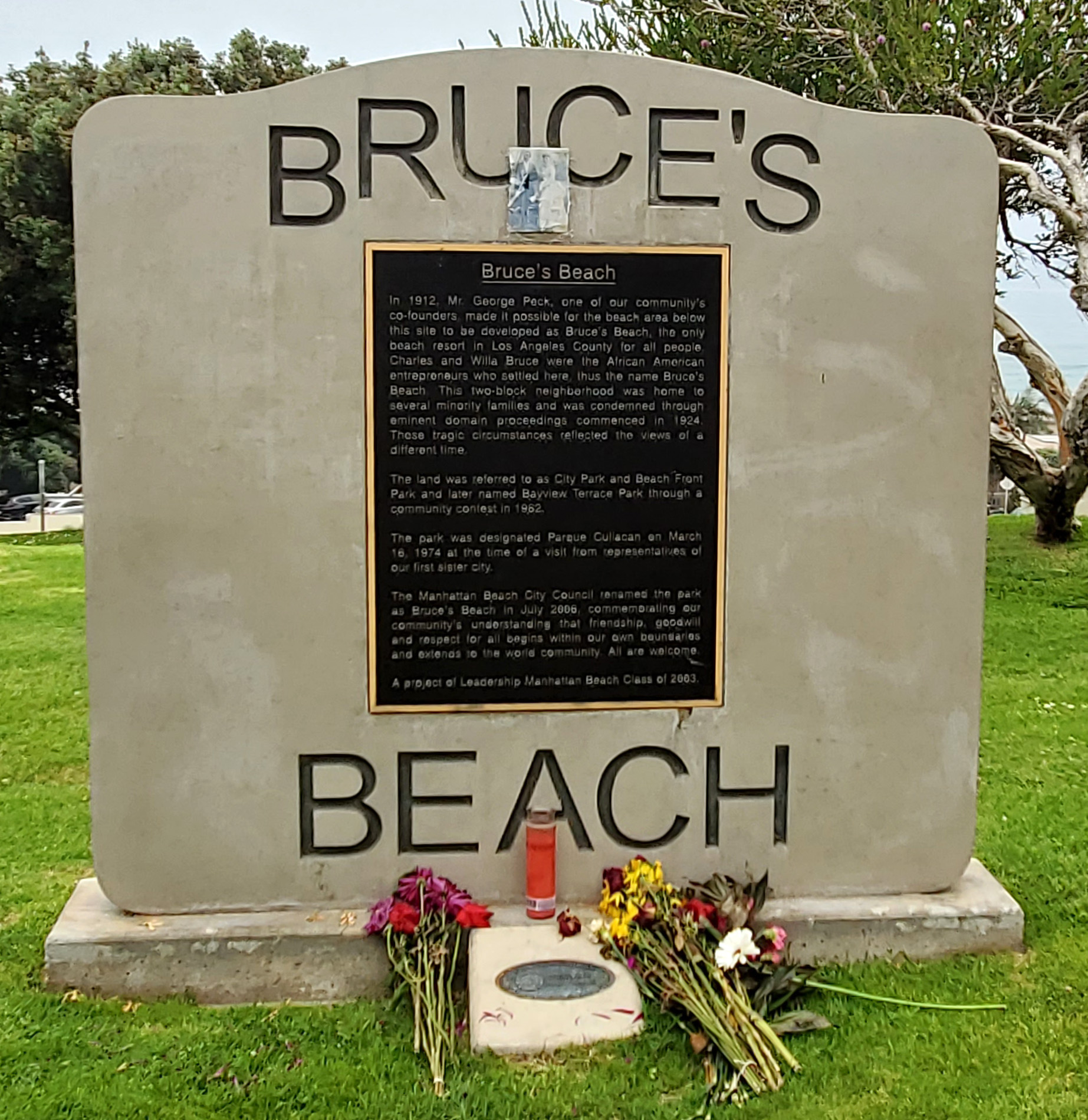

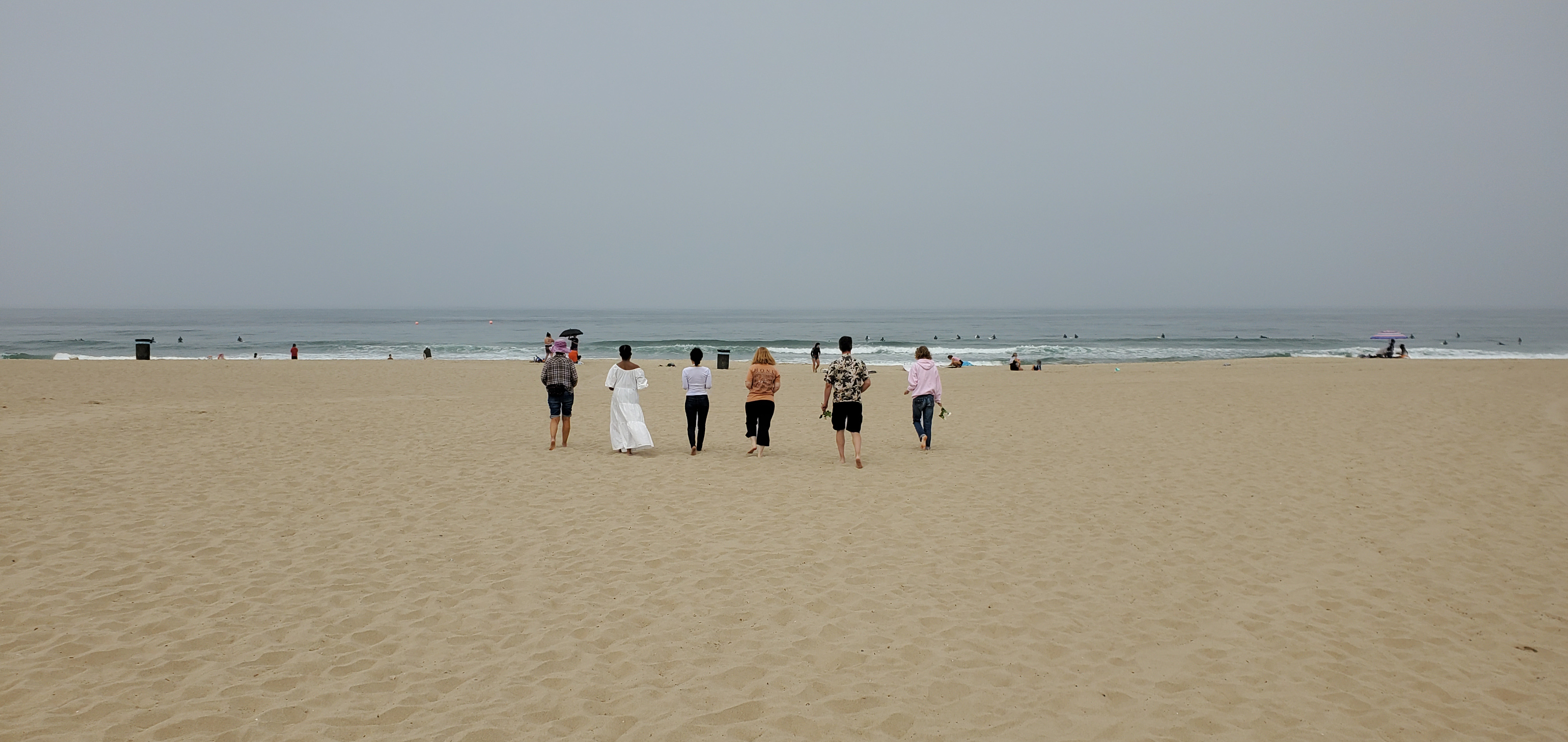
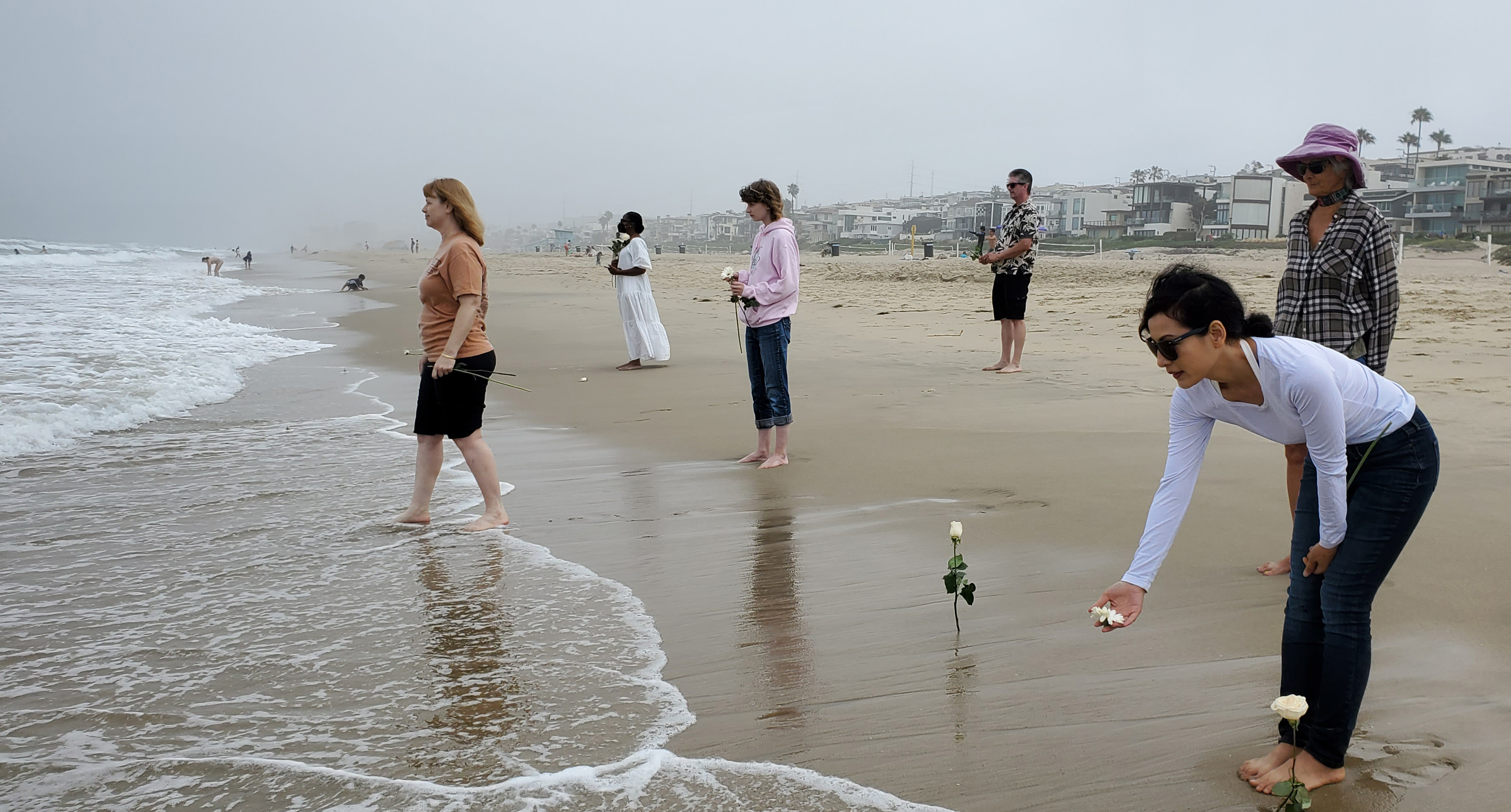
Read more about the history of Bruce’s Beach, the Bruce family and the return of their family’s property to them by Los Angeles county on June 28, 2022.
Bruce’s Beach, Wikipedia article
Bruce’s Beach was stolen a century ago. It’s finally been returned.
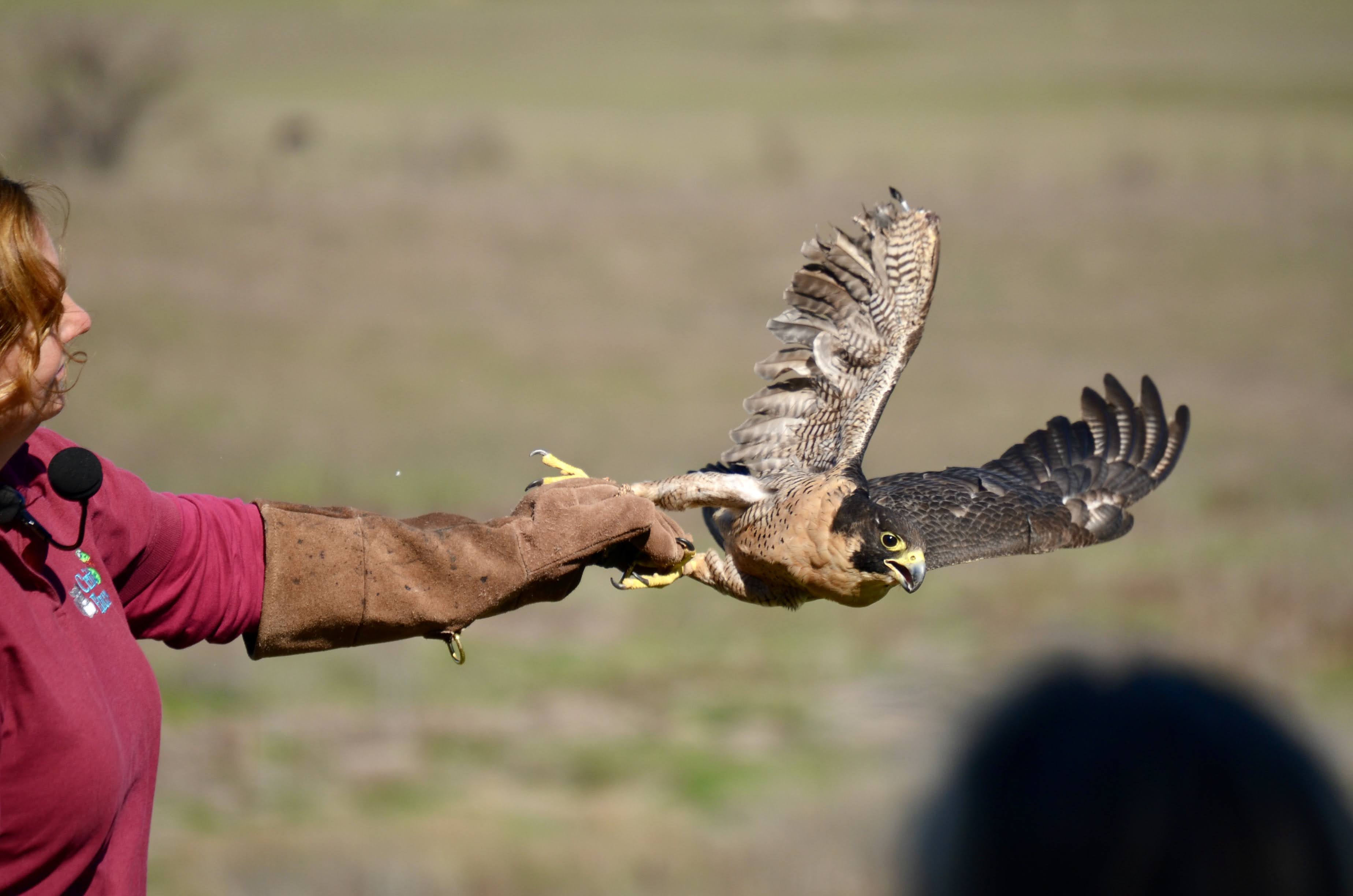
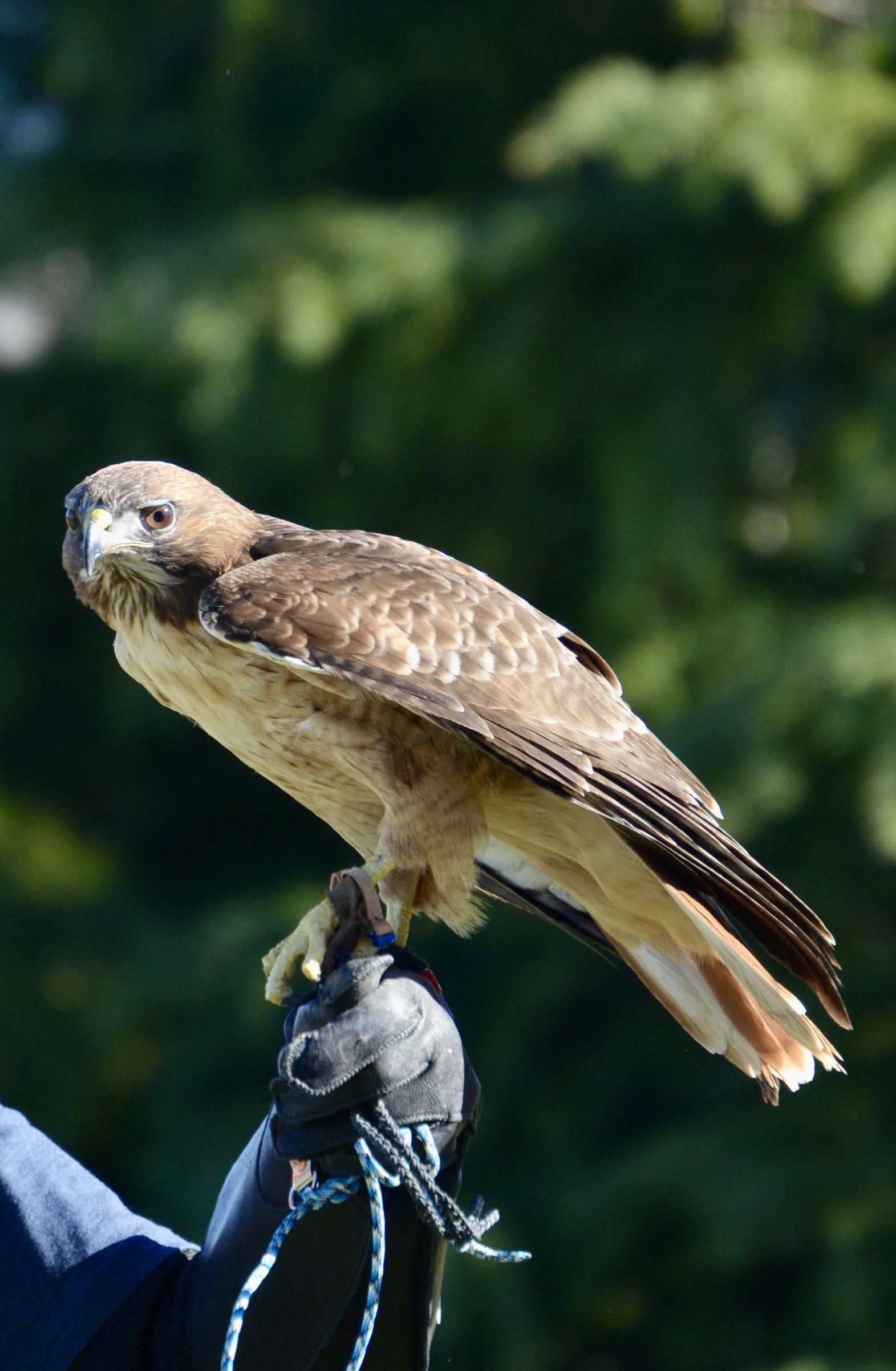
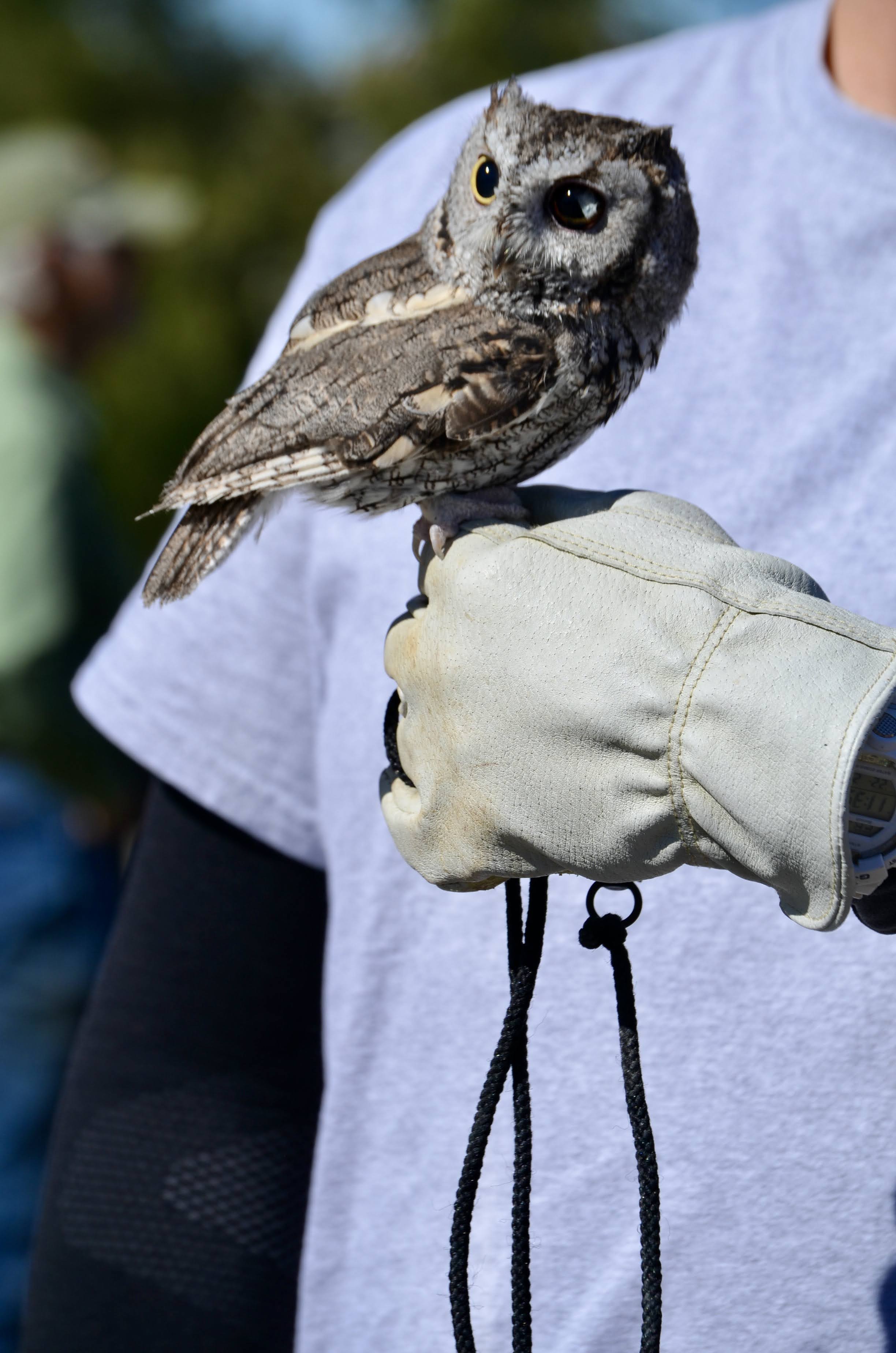
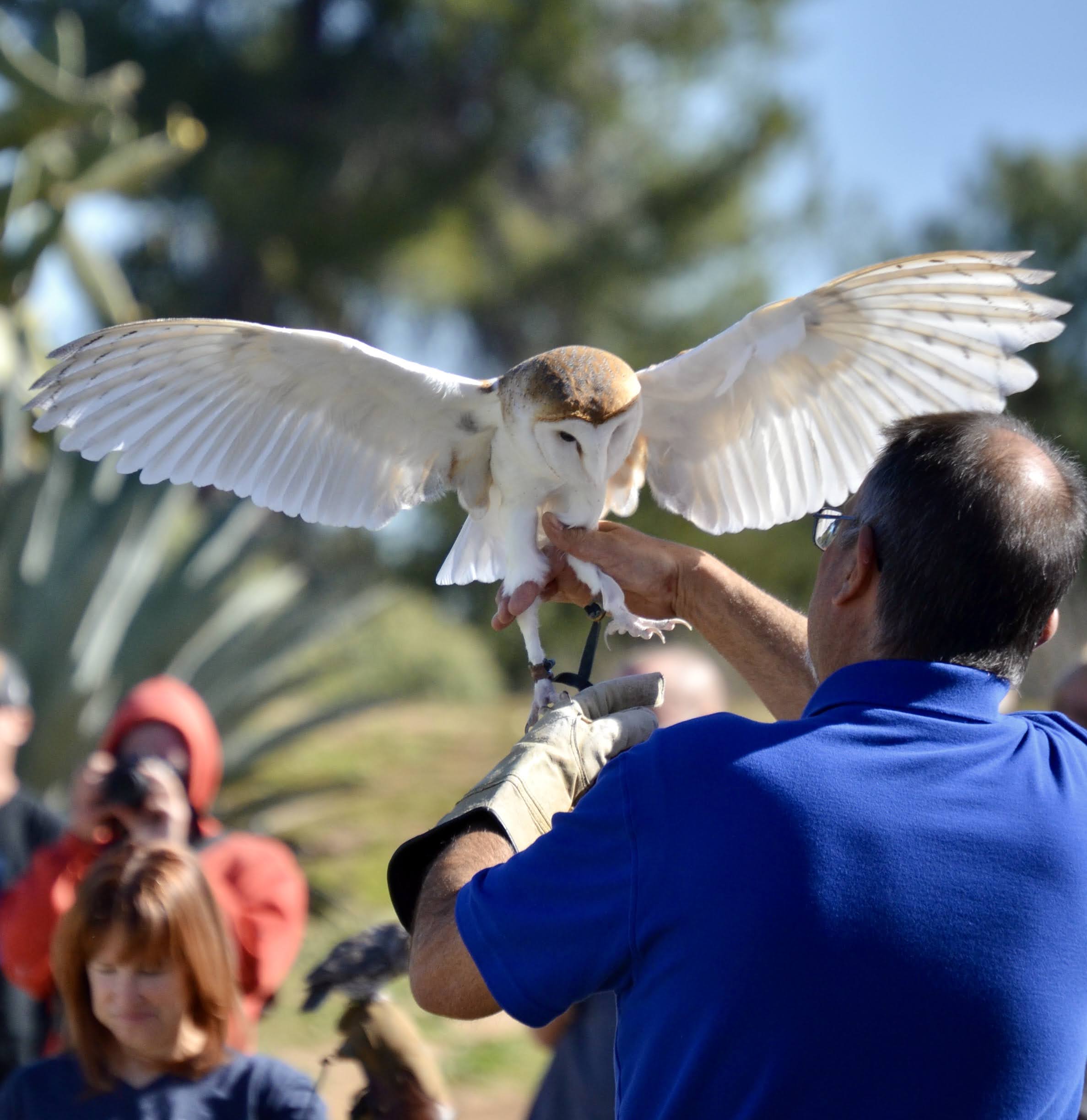
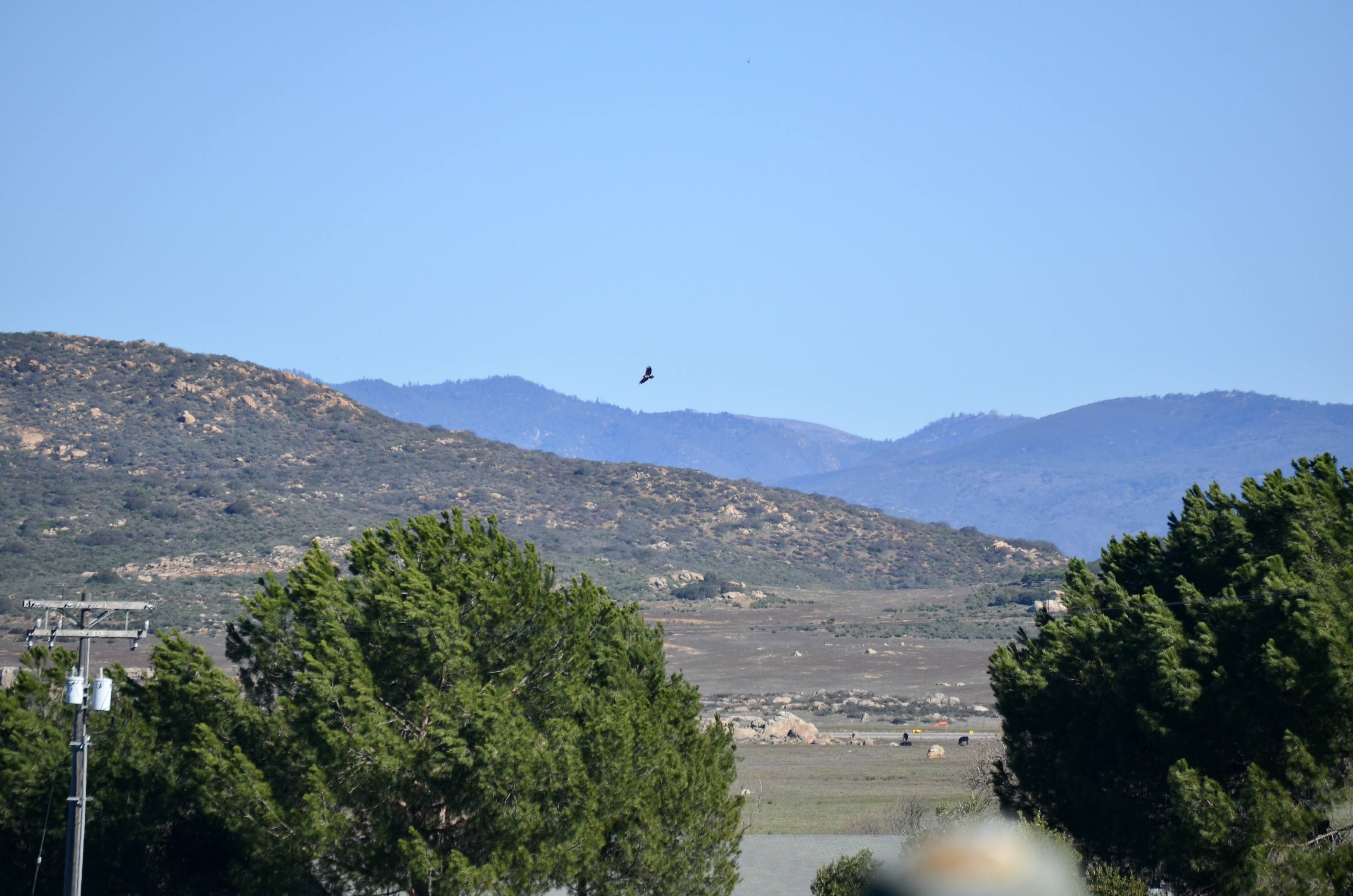
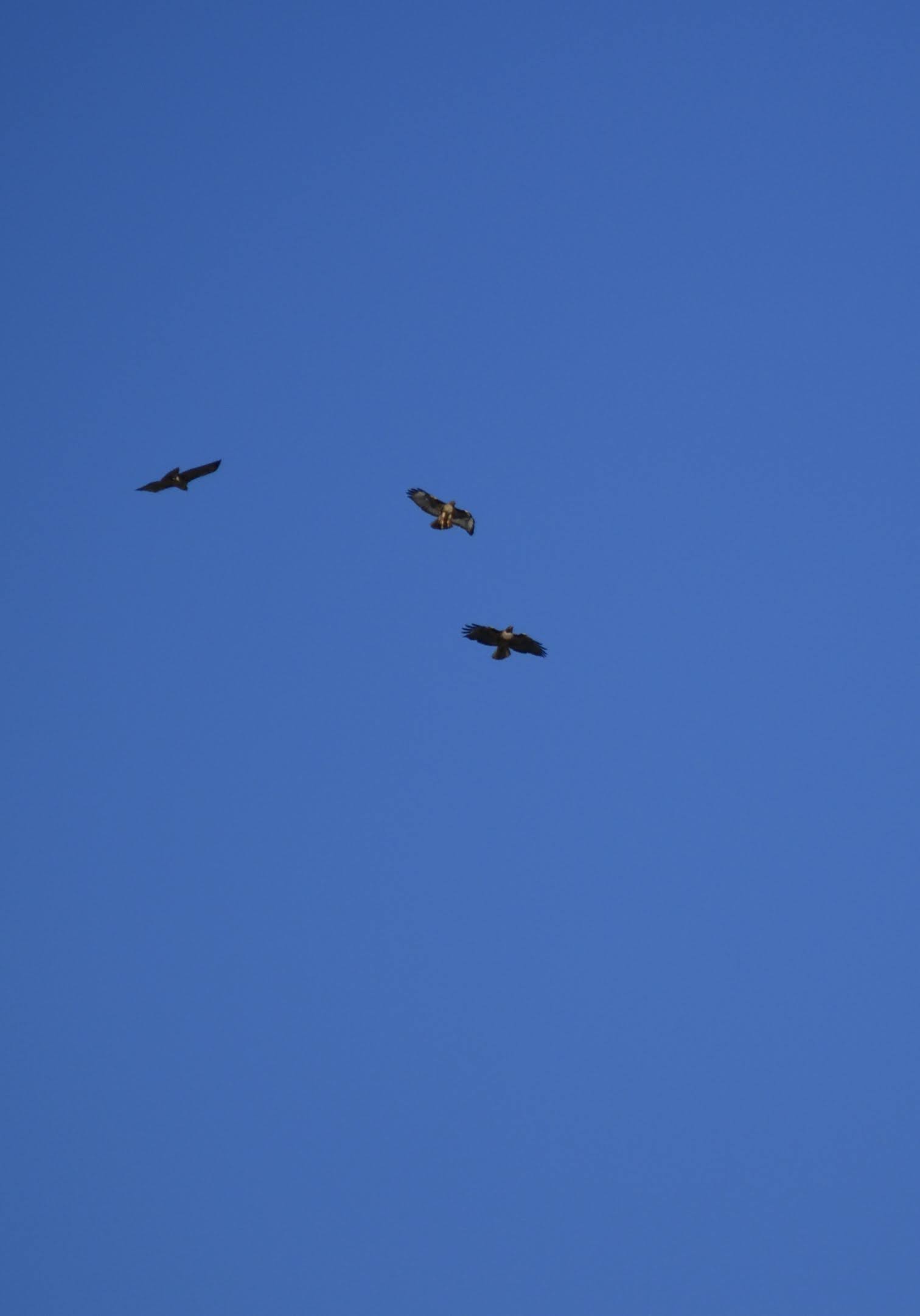
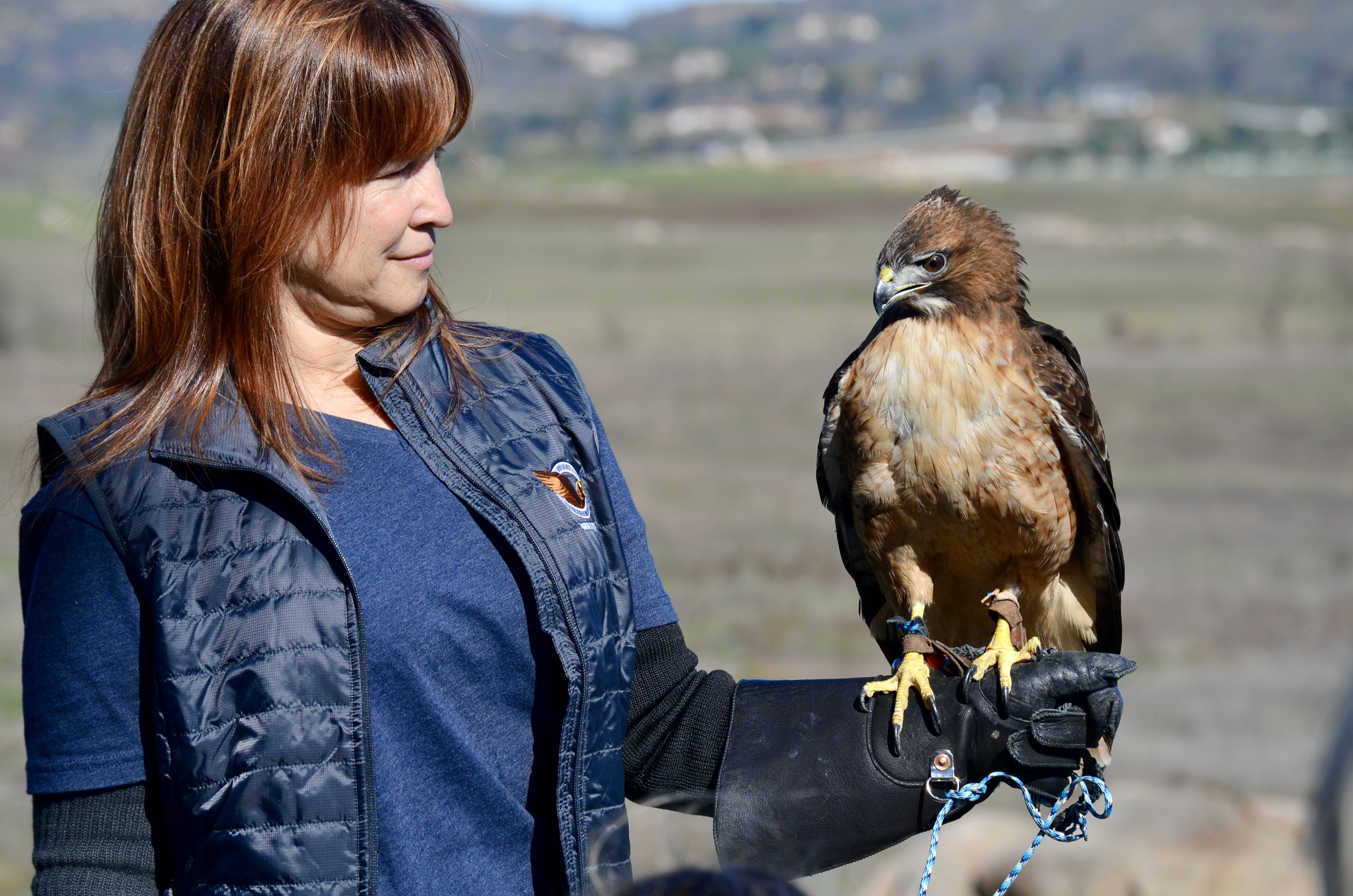
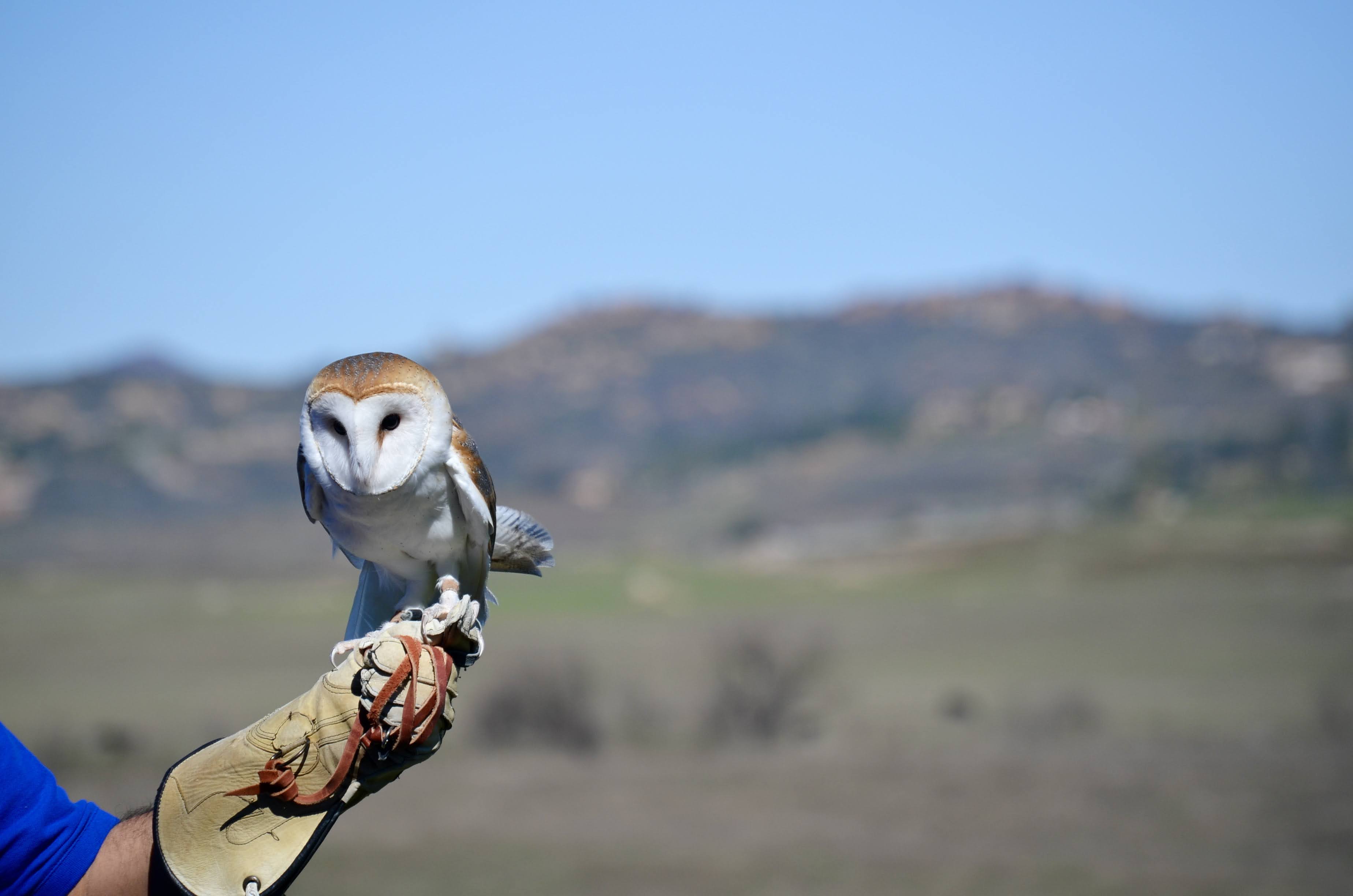
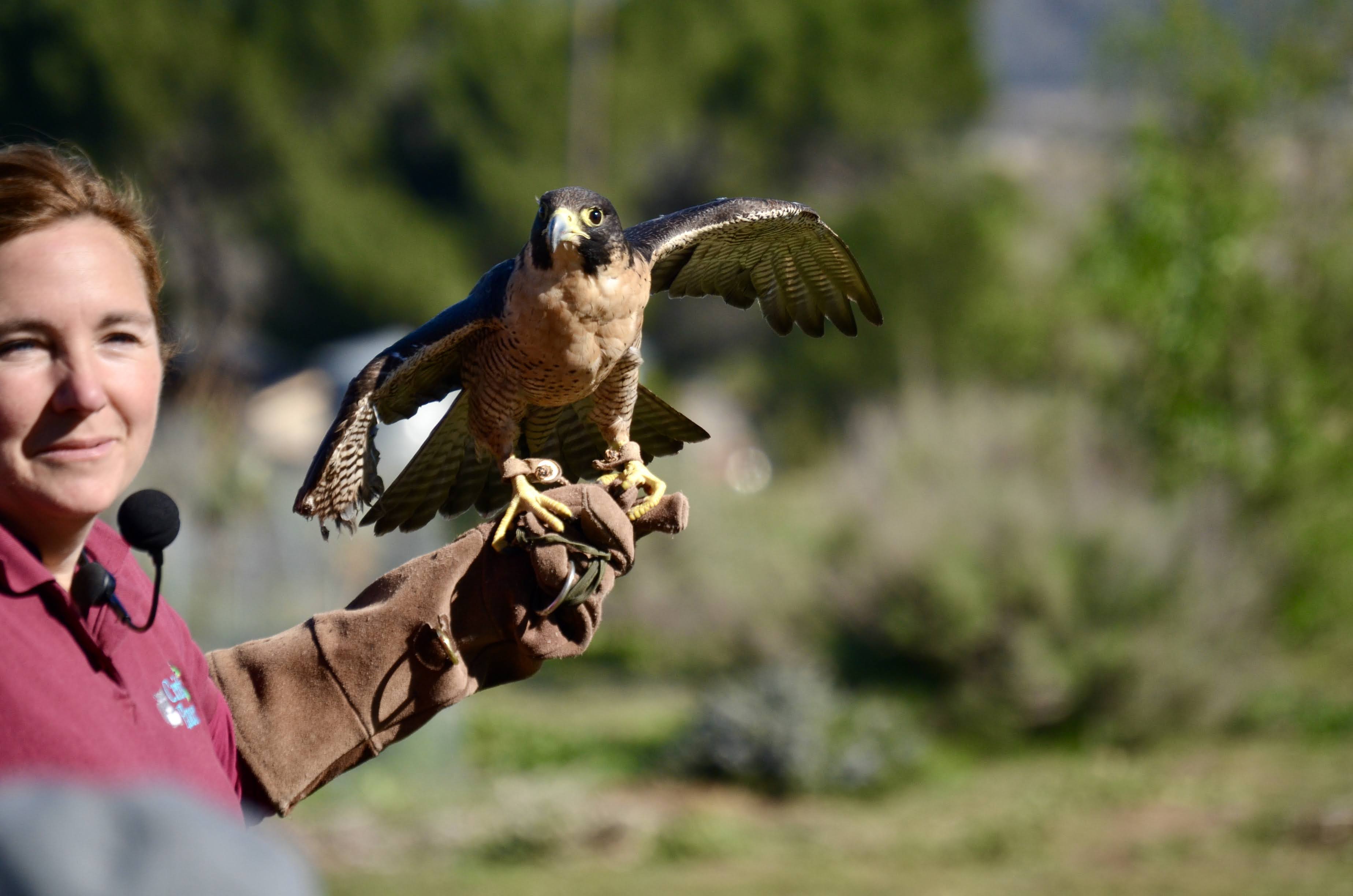
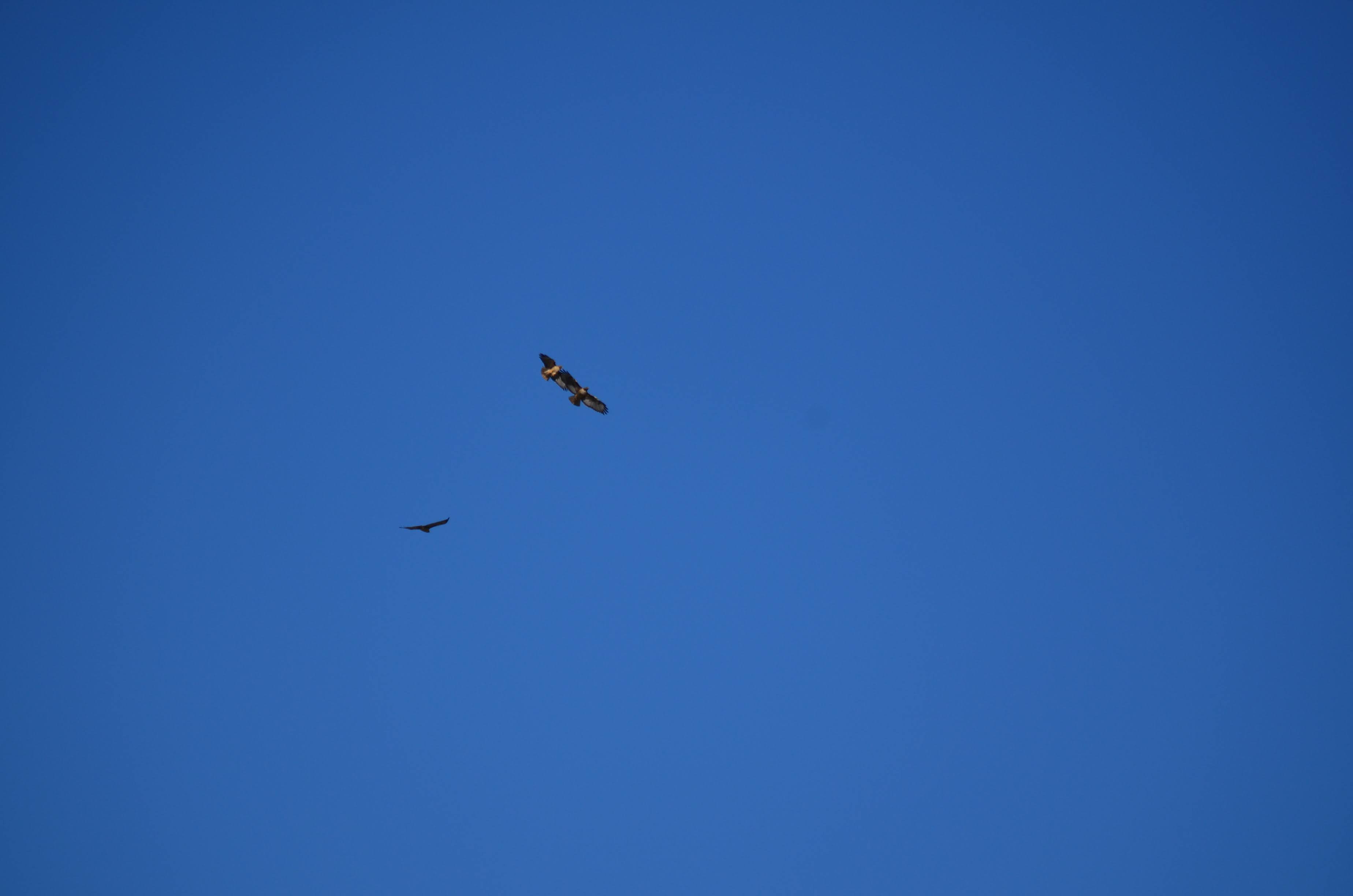
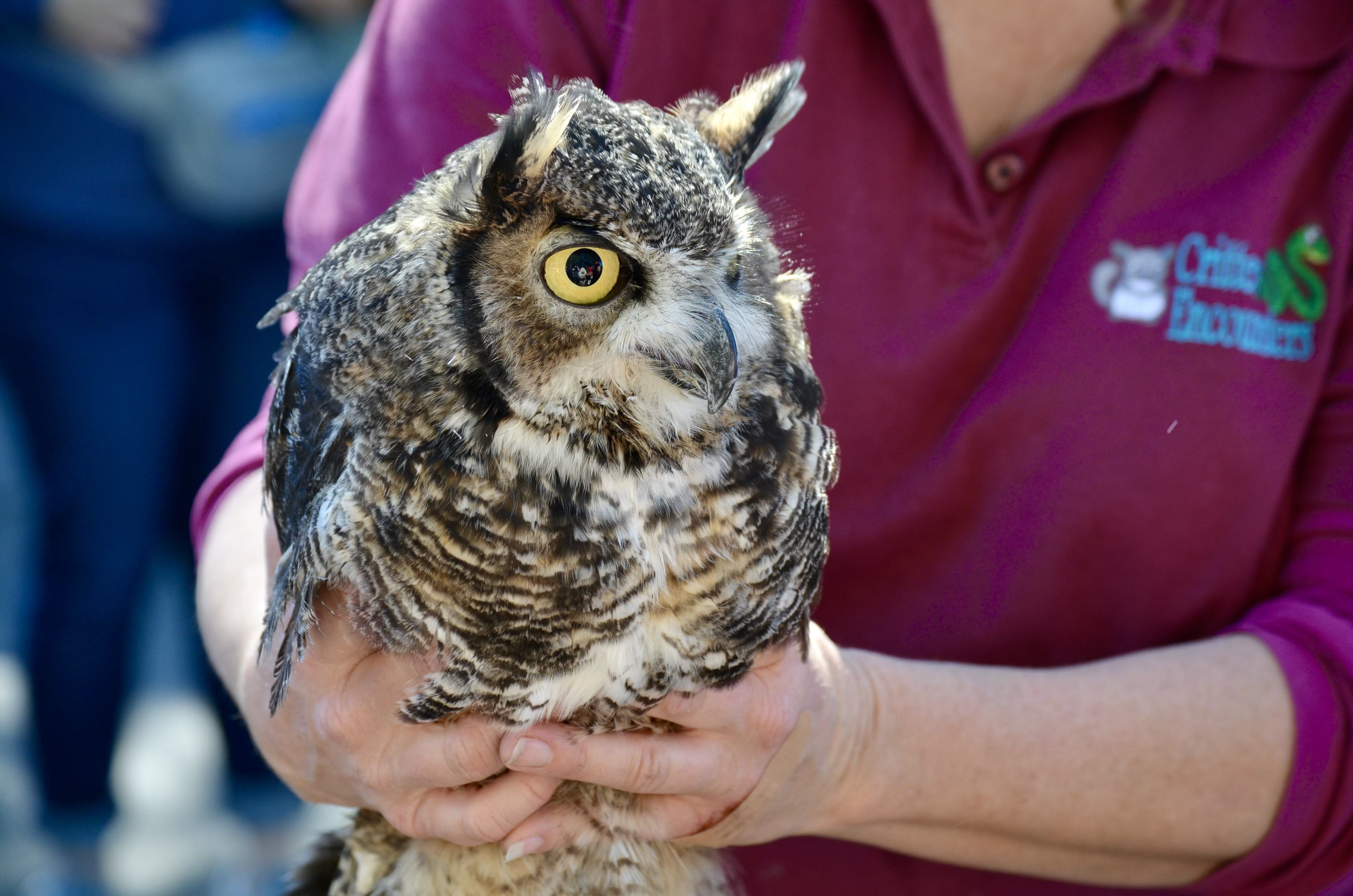
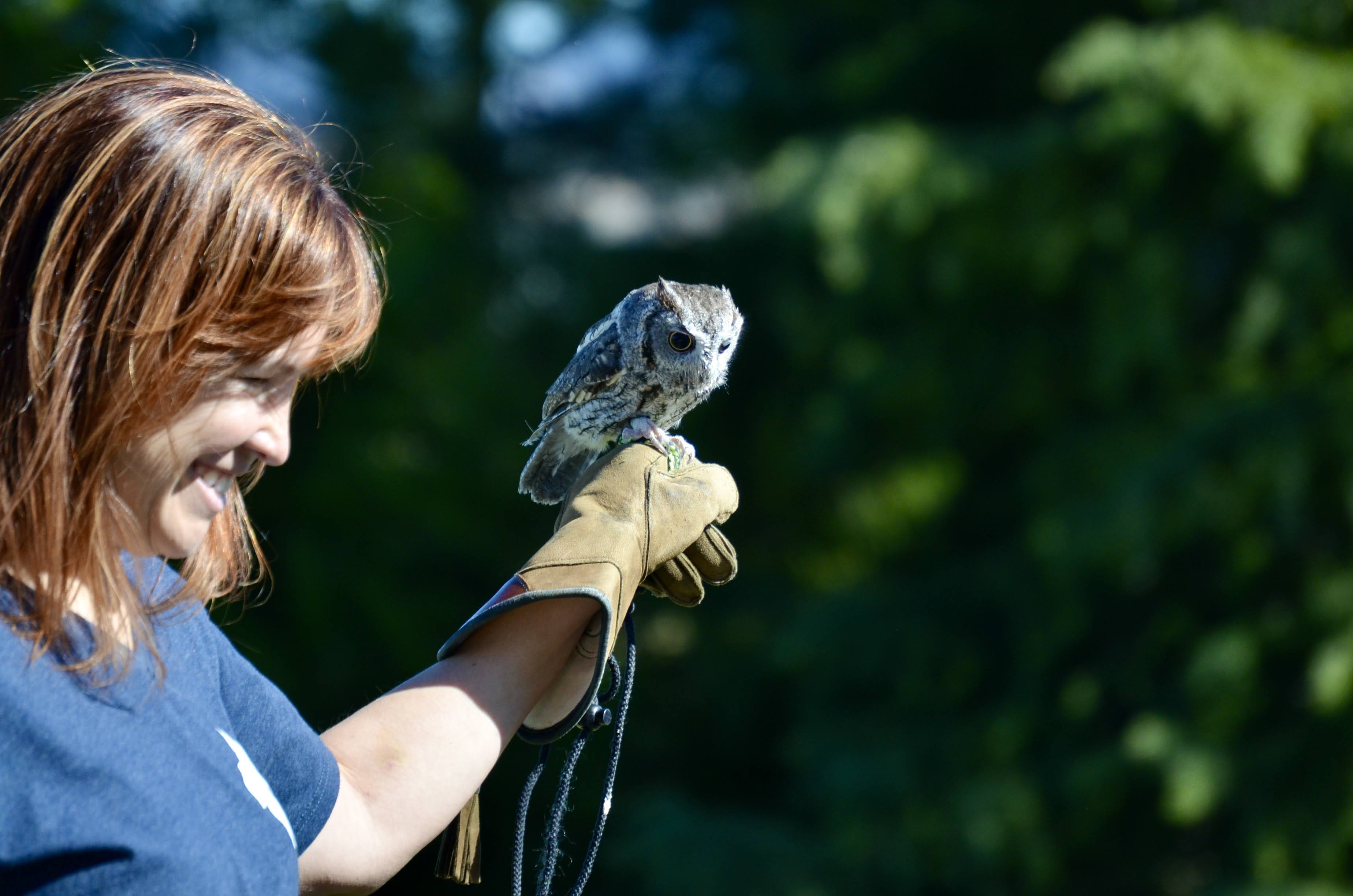
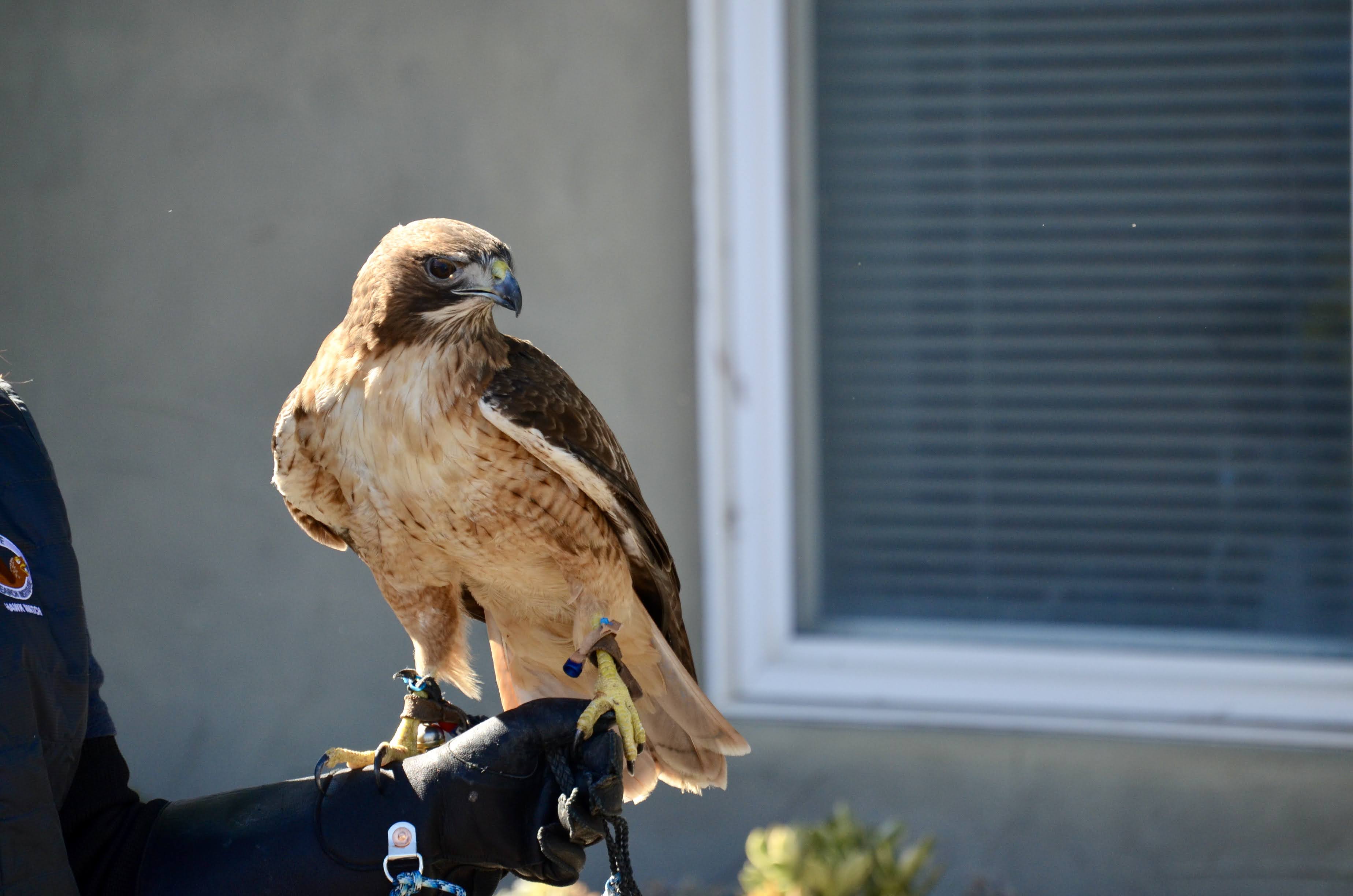
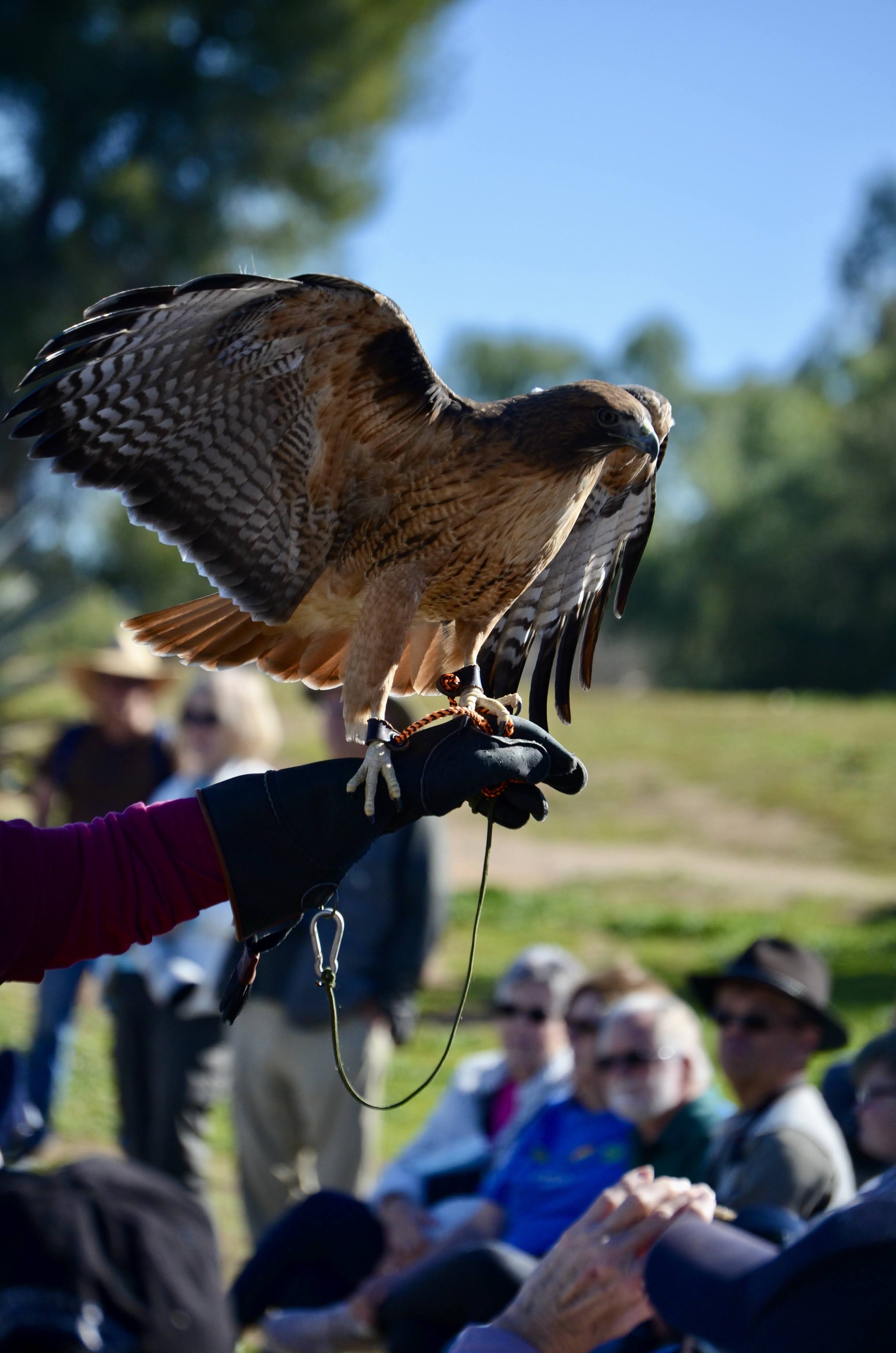
On Saturday February 5, 2022 we went to the Ramona Grasslands for a Hawk Watch. The event is hosted annually in January and February by the Wildlife Research Institute. The event includes a very informative educational talk by biologists and allows people to see falcons and raptors up close.
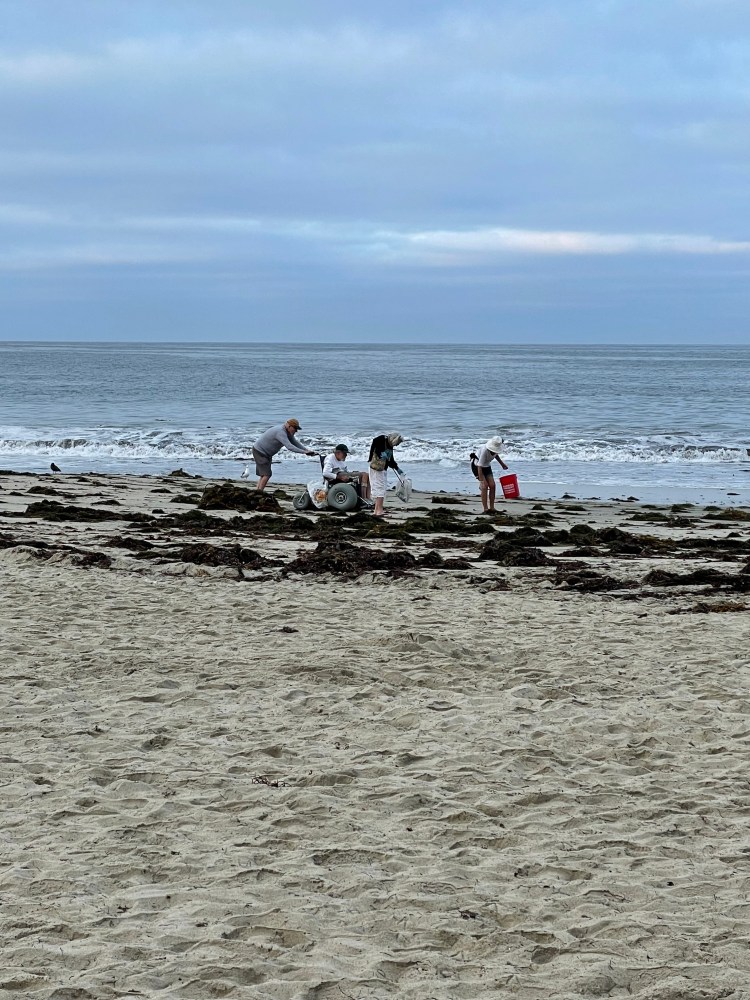
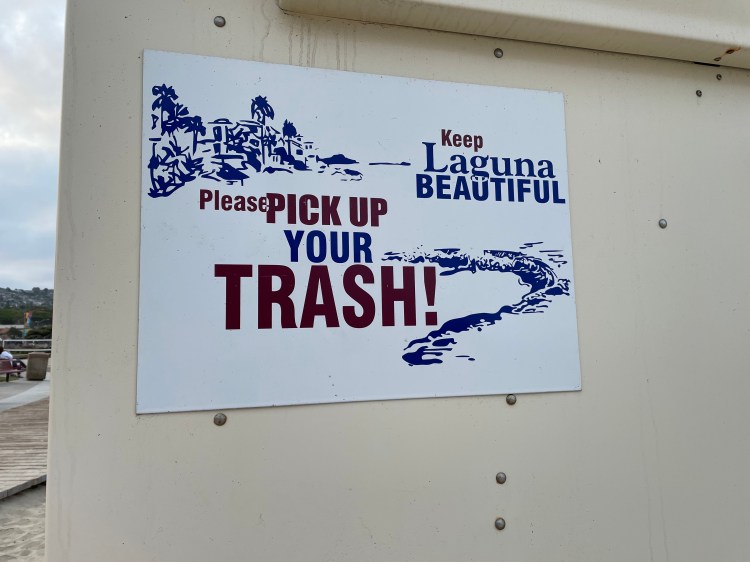
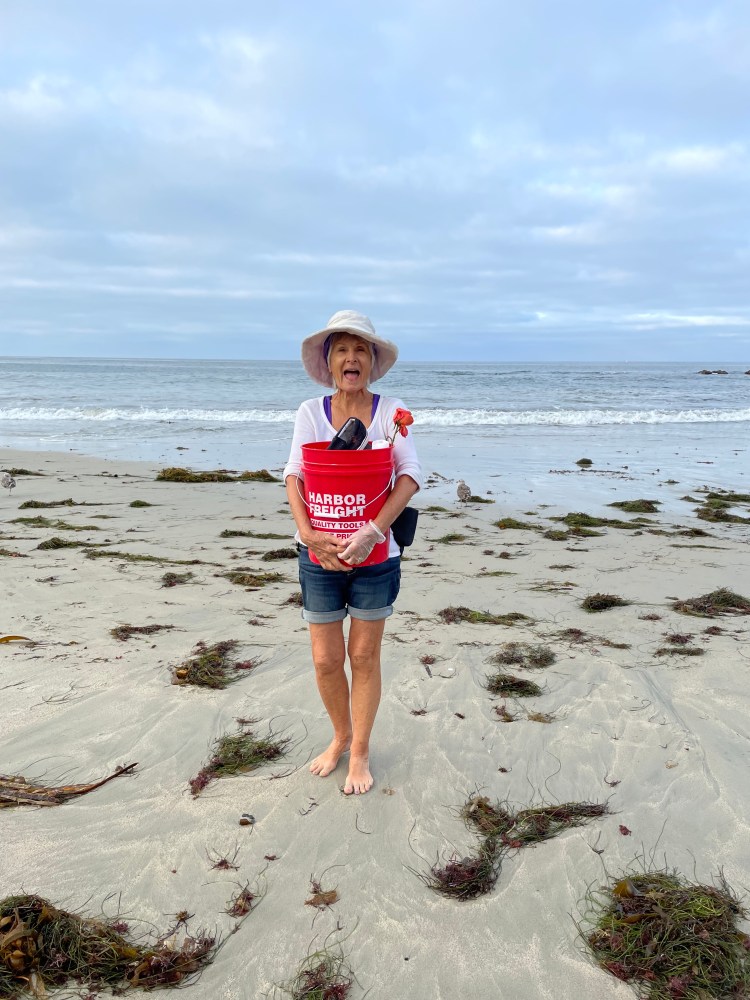
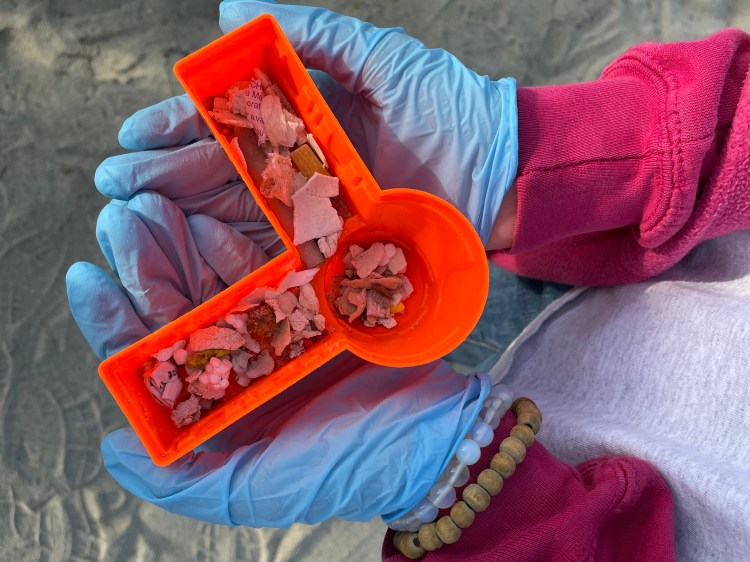
Over the past year our OSE meeting conversations have regularly turned to concerns about plastic pollution and it’s degradation of our beloved Earth. We decided to turn our concerns to action by doing a clean-up at Laguna Beach in California.
We got started around 6:30 a.m. New people continued to show up and spread out across the beachfront. Passersby frequently stopped to ask why we were there and thanked us for taking time to clean-up the beach.
We started the event with a reminder that for all the magnificent cathedrals and temples humans have built, nothing can match the splendor of Nature. We weren’t there just picking-up trash, but sanctifying the our beloved Mother Earth.
We closed the event by coming together to look at all the items we picked-up and sorted out things that could be recycled. Then we said a collective prayer of gratitude for our amazing Earth and the bounty of all its gifts that sustain us.
It was wonderful to know we made the beach more beautiful for the day’s visitors, and to be in the company of people who are motivated to make the world a bit better.
Hosted Monday December 21, 2020 at 6:30 p.m.(PT) on Zoom
Our celebrations are a fusion of ancient ritual and modern science. This Solstice, we went on a journey from the head to the heart. Connecting with the changes the Winter season brings to the Earth and wakening to our personal relationship with the Cosmos. Following are excerpts from the Celebration recording.
The following ritual was written and delivered by Rev. John Odden during the 2020 Winter Solstice Celebration.
Let us join in honoring Earth, our home, as the renewal time of winter and longer nights takes a celestial shift – the winter solstice – towards an awakening.
Let us awaken with the breadth of each day, relentlessly increasing.
Let us awaken with the growing light, relentlessly earlier, brighter, and stronger.
Join now in holding the winter, the time of deep rest and renewal to heart. In this silence, focus – on rest and renewal. First, place sacred attention towards personal rest and renewal, and towards rest and renewal for family, community, and beloved neighbors.
<a minute of silence>
Now place sacred attention towards rest and renewal for animals, forests, oceans, continents, planets, and galaxies.
<a minute of silence>
And place sacred attention towards rest and renewal for sources of threat, concern, or distress, that they may be absorbed into the heart of Spirit and reborn as they renew.
<a minute of silence>
As we mark the winter solstice, the light returns and increases. Please join me in placing our hands over our hearts and activating our light. Know that we free this light to expand, grow and breathe into the body, family, community, and beloved neighbors, and beyond, into all the domains of Earth, all the creatures.
<a minute of silence>
Please take a candle or light and ignite it safely, where it may symbolize an awakening, a sharing of the light, and a personal vow of intention to the Order of the Sacred Earth. In the silence, watch the light spread and expand in the mind’s eye, bringing love and warmth to all.
Consider a watchword or phrase for the renewal, the light, the growth of Spirit and, if you wish, speak it into this group, together. There is no need to wait – simply join in as we give voice to Spirit:
<15 to 30 seconds for everyone to speak as they choose>
The Winter Solstice is sealed as we have brought the light of Spirit from our hearts to the world, lighting and awakening all of creation for peace, healing, safety, and vitality.
And so it is.
© 2020 Rev. John Odden
Notes from Richard Snyder’s 2020 Winter Solstice Celebration presentation.
Did you ever wonder what “birds fly south for the winter” actually means?
If you’ve been to a California beach you can identify a seagull – right?
In the past year I’ve learned a lot about the class of animals known as Aves, or birds, and as with all knowledge, the more I got to know, the more I knew I didn’t know.
Like many of you, this past year the virus has limited my ability to go out in the world, so I was grateful to find an outlet in the opportunity to attend a weekly Zoomed Emeritus Class. The instructor’s passion for her subject flowed into her students, and I discovered a new passion in birds. I began studying field guides, watching videos, going on bird-walks at local parks and sanctuaries where I could safely socially distance, and I started spending my time drawing and painting detailed pictures of birds I’d seen or hope to see someday.
There are over 9,000 species of birds identified worldwide, as well as numerous subspecies, many as of yet unidentified. Here in Southern California, at the San Joaquin Wildlife Sanctuary (SLWF) in Irvine, over 282 species have been identified, including 170 regularly occurring and another 112 less frequent visitors. If you are looking for other places to watch birds in this region check out TeWinkle Park and/or Mile Square Park. Additionally, the Bolsa Chica Wetlands is another bird watchers’ paradise.
While there are many resident bird populations, especially in temperate climates, birds typically migrate. Some fly east, some north, others south, often setting up temporary homes in suitable environs; here today, gone tomorrow. Some species spend their lives at sea. Bufflehead ducks, Eared grebes and American white pelicans are frequently seen at San Joaquin Wildlife Sanctuary in winter months, along with less common American wigeons, Belted Kingfishers, and several species of gulls.
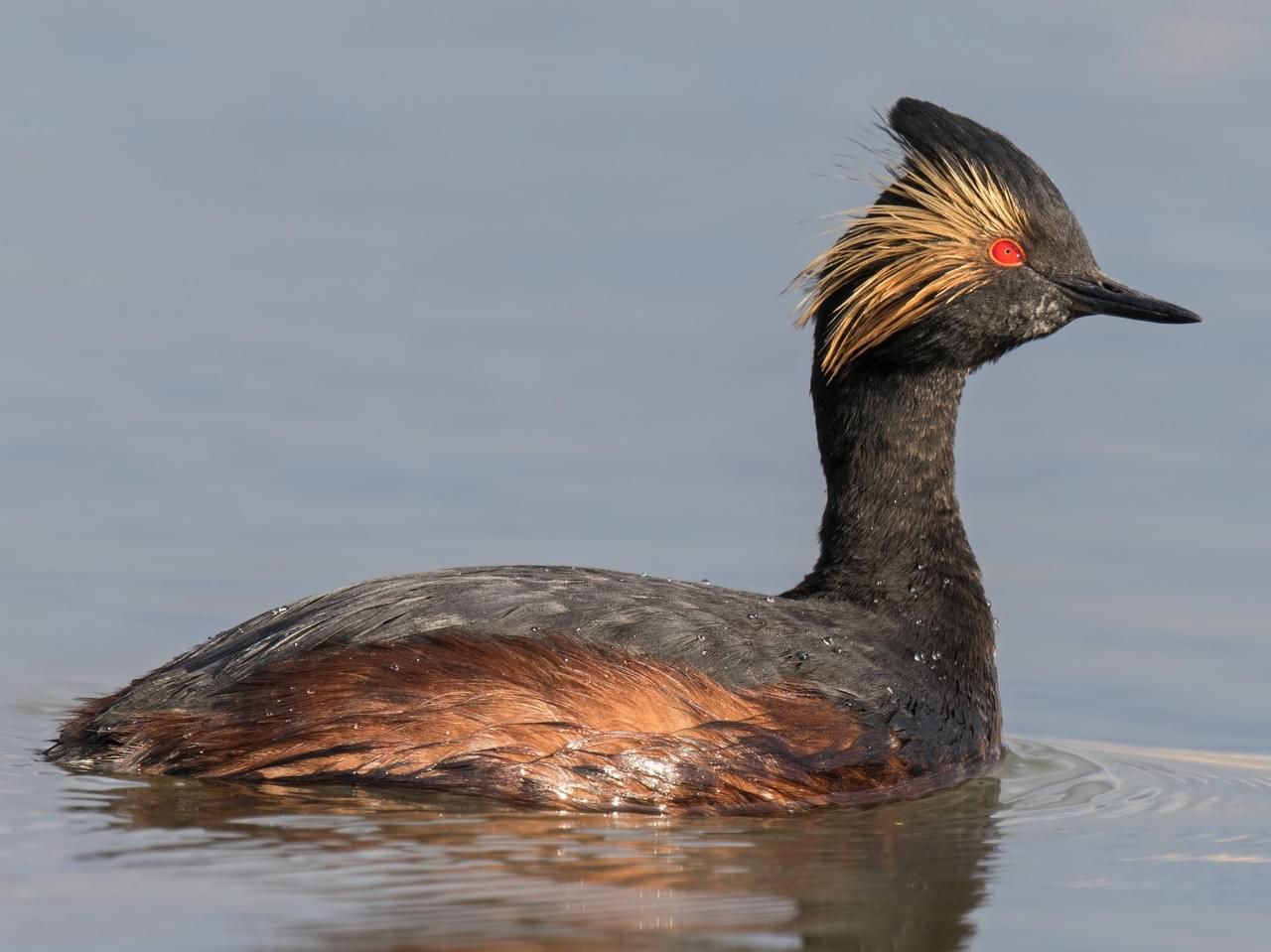
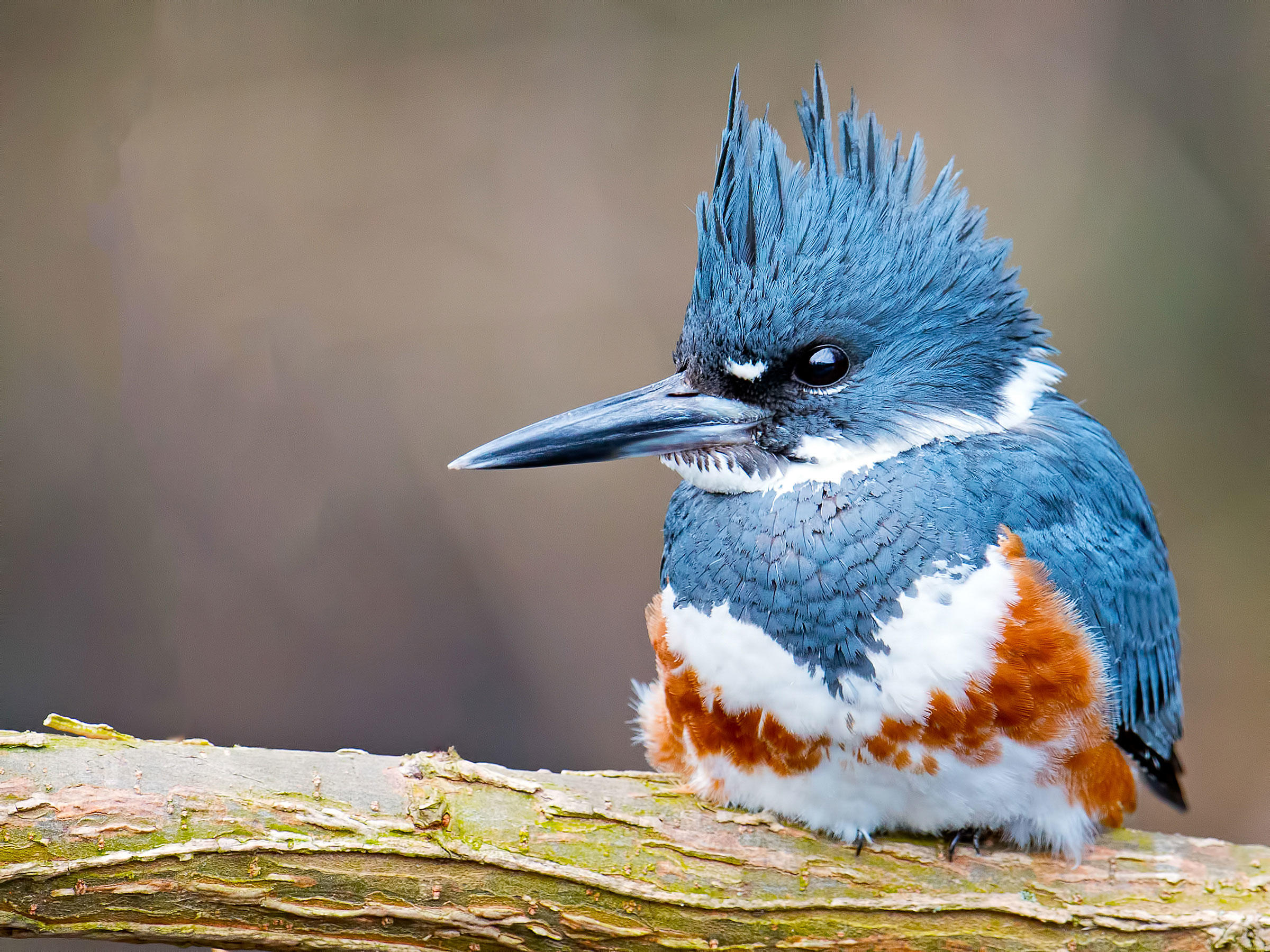
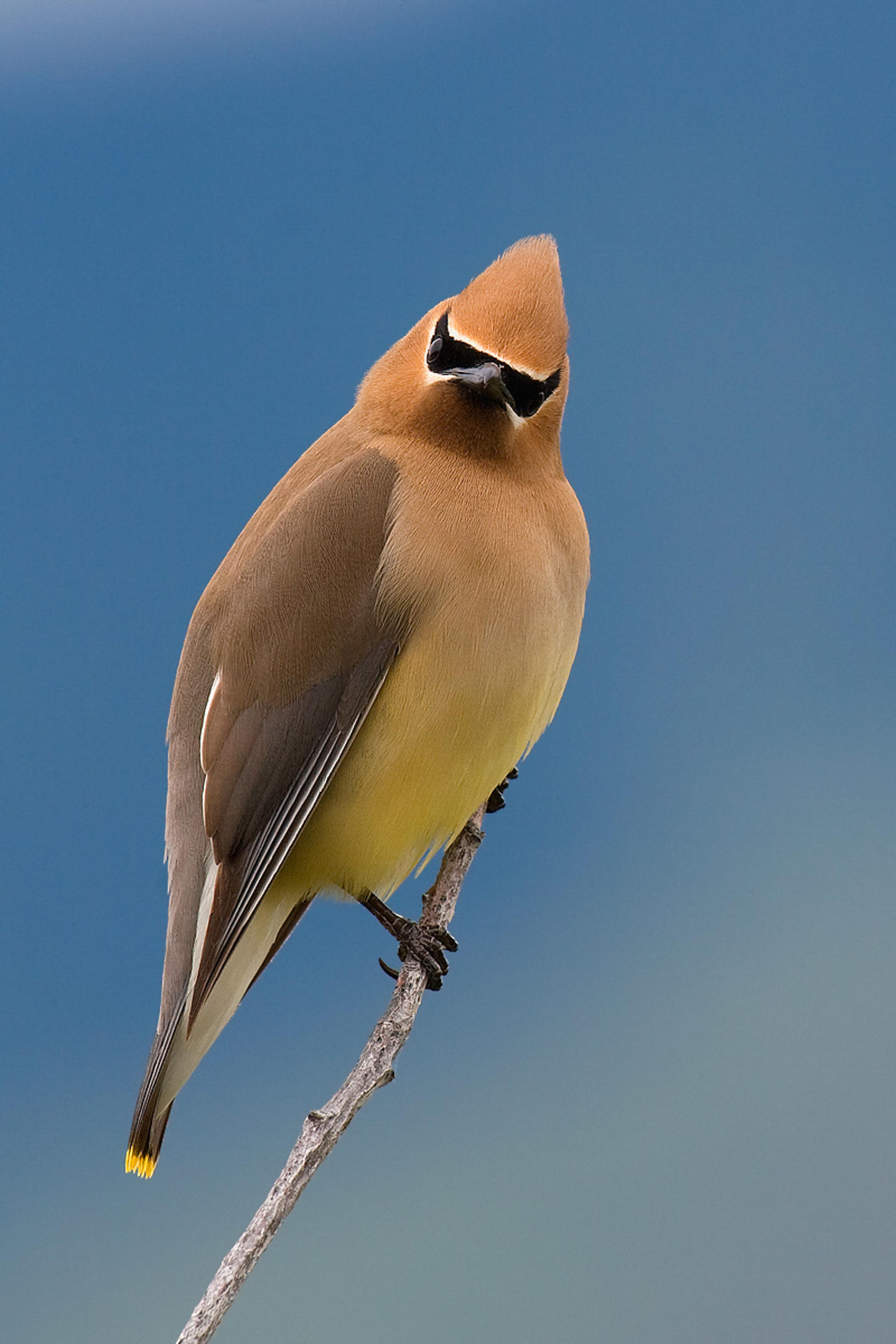
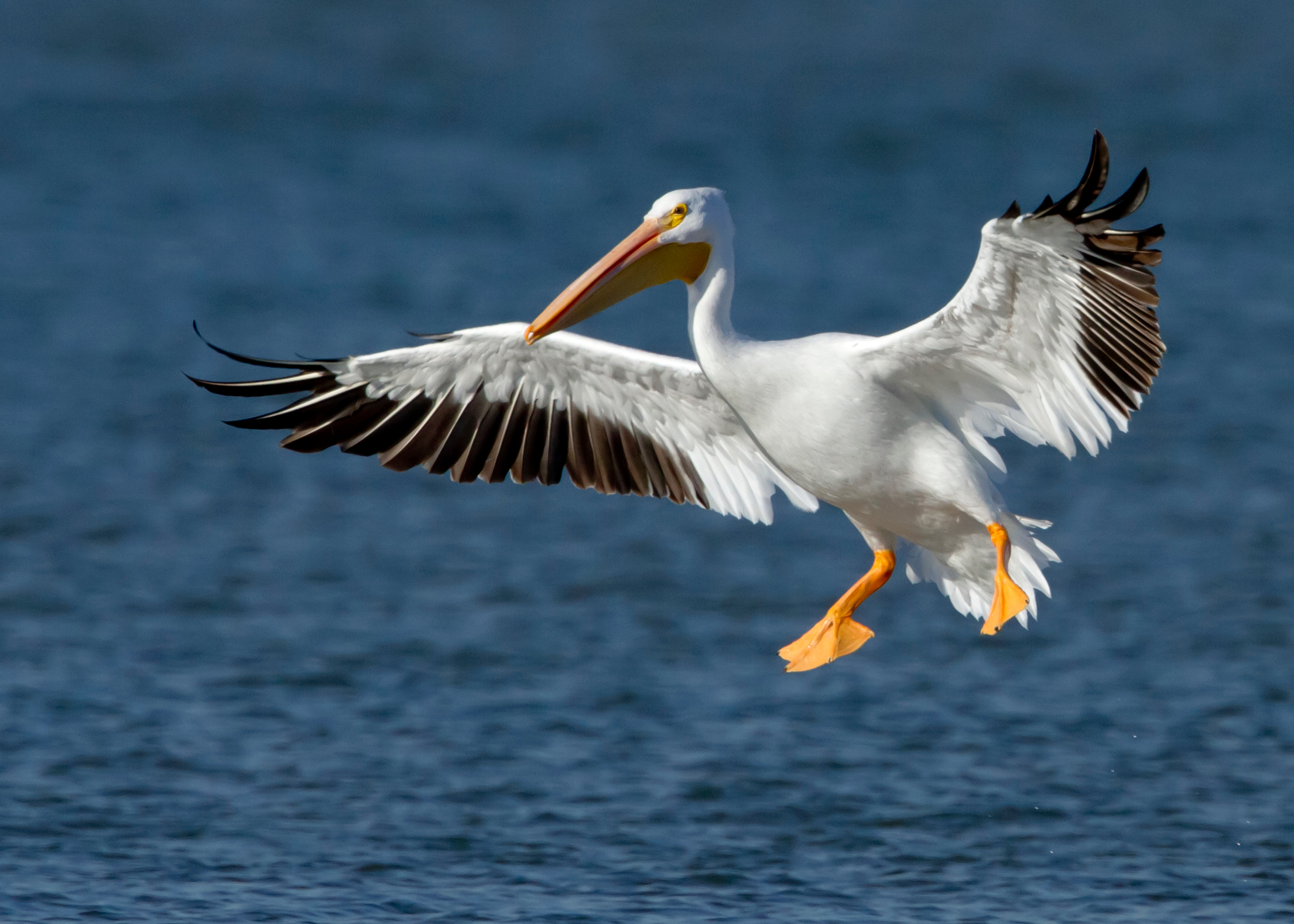
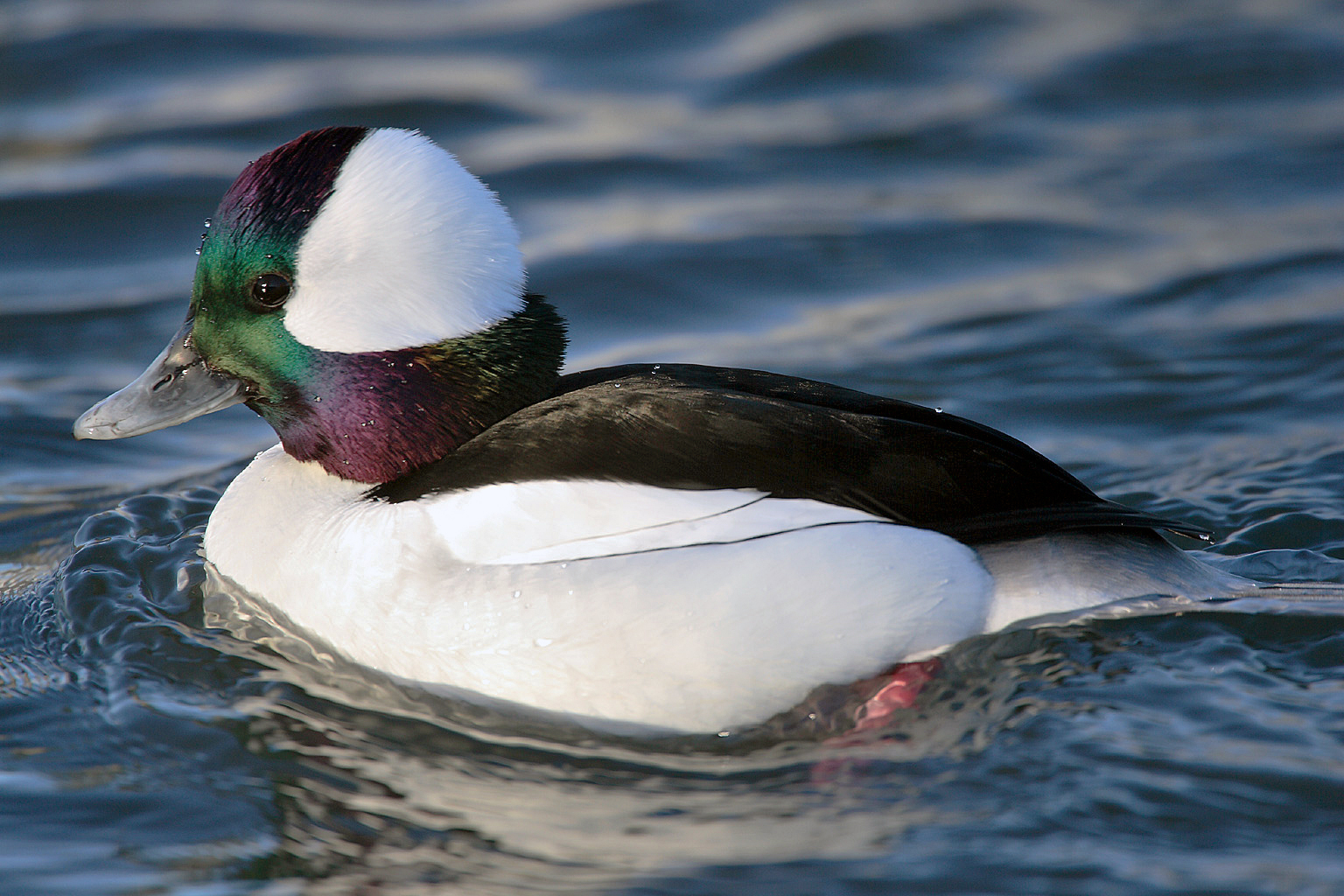
Birds starting upper left moving counter clockwise; Eared Grebe, Belted Kingfisher, American White Pelican, Bufflehead Duck, Cedar Waxwing
By the way, seagull is a colloquial term. There are a number of gull species, about 28 in North America alone. A few that you might see on a Southern California beach include; the Ring-billed Gull, Bonaparte’s Gull, California Gull.
See Richard’s Short List of Migratory Birds Observable at San Joaquin Wildlife Sanctuary for more birds and links to additional information about them.
There is a lot of information readily available for interested birders. Following are a some of the resources I’ve found helpful.
Sue Snyder selected the following three poems that were read during the 2020 Winter Solstice Celebration.
Sara Teasdale was born in 1884 and died in 1933. She was in poor health most of her childhood and suffered from depression. In her poem A Winter Bluejay, she imagines the joy, the freedom, and the ecstasy of being a bird.
“Oh look!”
There, on the black bough of a snow flecked maple
Fearless and gay as our love,
A bluejay cocked his crest!
Oh who can tell the range of joy
Or set the bounds of beauty?
Link to ‘A Winter Bluejay’ (complete poem)
Shaun O’Brien, a native of London, is a professor of creative writing at Newcastle University. He has won several awards for his poetry, including the T.S. Eliot and Forward prizes. As a member of the Royal Society of Literature, he writes poetry, essays, short stories, novels, and is a playwright . . . and a tough critic.
We say Next time we’ll go away,
But then the winter happens, like a secret
We’ve to keep yet never understand
As daylight turns to cinema once more:
A lustrous darkness deep in ice-age cold,
Link to ‘At the Solstice’ (complete poem)
Robert Frost wrote this poem in June of 1922 at home in Vermont. He’d been awake all night working on another poem (New Hampshire) when he walked outside to see the sunrise and suddenly got the idea for Stopping by Woods on a Snowy Evening. This poem came to him as if a hallucination in just a few minutes.
The woods are lovely, dark and deep,
But I have promises to keep,
And miles to go before I sleep,
And miles to go before I sleep.
Link to ‘Stopping by Woods on a Snowy Evening’ (complete poem)
Notes from Jesse Keeler’s 2020 Winter Solstice Celebration presentation.
On the 2020 Winter Solstice (Monday December 21, 2020) a special astronomical event that was visible in the early evening sky, the Jupiter Saturn Conjunction. A planetary conjunction is when planets appear very close to one another in the sky because of the way they line up with Earth in their respective orbits. This conjunction was unique because the planets will appear less 0.1 degrees apart or about one-fifth of the apparent width of the moon.
A Jupiter Saturn Conjunction occurs every 20 years, but what makse this conjunction special is the last time these two planets were this close together was 400 years ago in July of 1623. A little more than a decade after Galileo discovered Jupiter’s moons. Although, at that time the conjunction wasn’t visible in the sky.
We have to go back 800 years to March of 1226 to the last time the conjunction was as close, and was visible to most people on Earth. Think about that for a moment, we experienced an astronomical event that people haven’t experienced in 800 years. This event gave us an opportunity to view a similar night sky and connect with our ancestors across centuries. How different is today from their world? What do we have in common that time has not changed?
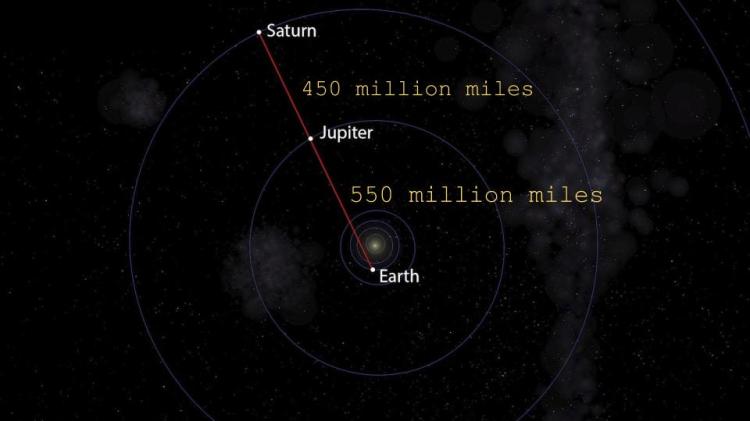
In the center of the diagram to below is our Sun. Three planets out from the sun is our Earth. Then moving out about 550 million miles from Earth we get to Jupiter. Then another 450 million miles from Jupiter we get Saturn. You can see in December of 2020, Jupiter and Saturn have moved in their orbits so they appear to be in alignment with one another from our vantage point on Earth.
Jupiter is brighter than any star. Although Saturn isn’t as bright as Jupiter, it is as bright as the brightest stars and has a distinctly golden color. The planets’ light shines steady, unlike the twinkling of stars. As they drew closer to one another they were noticeable for their brightness. As a fun fact, some people called this conjunction the “Christmas star”, because it is believed there was a similar conjunction at the time of Jesus’ birth that guided the Maji to the manger in Bethlehem.
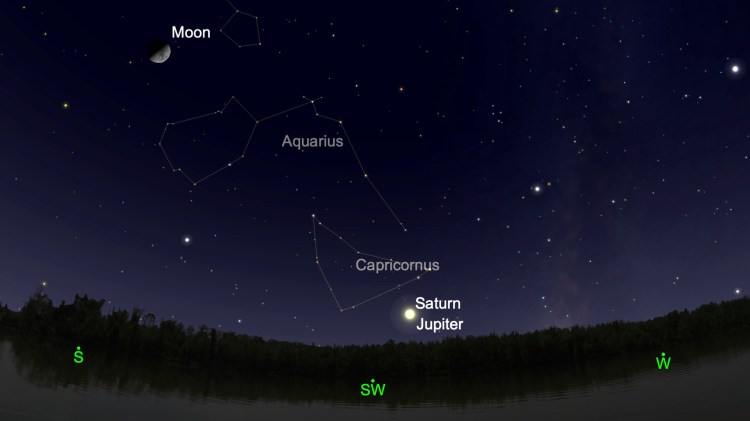
To view this astronomical event point people gazed toward an unobstructed view of the southwestern sky, about an hour after sunset. Note the planets did not rise very high in the sky and dipped back below the horizon very quickly. On December 21, Saturn appeared to the left of Jupiter, in the days following the planets appeared to change places, with Jupiter appearing on the left and Saturn to the right.
See ‘The Interactive Night Sky Map’ viewer on the ‘Time and Date’ site to locate planets and stars in the night sky from your location.
The following resources were last retrieved December 21, 2020
During our regular meetings plastic has become a regular topic of conversation. Not just how its impacting the environment, but our personal usage too. Last week, Quynh remarked that plastic yogurt in individual servings is convenient but single-use plastic cups are very wasteful.
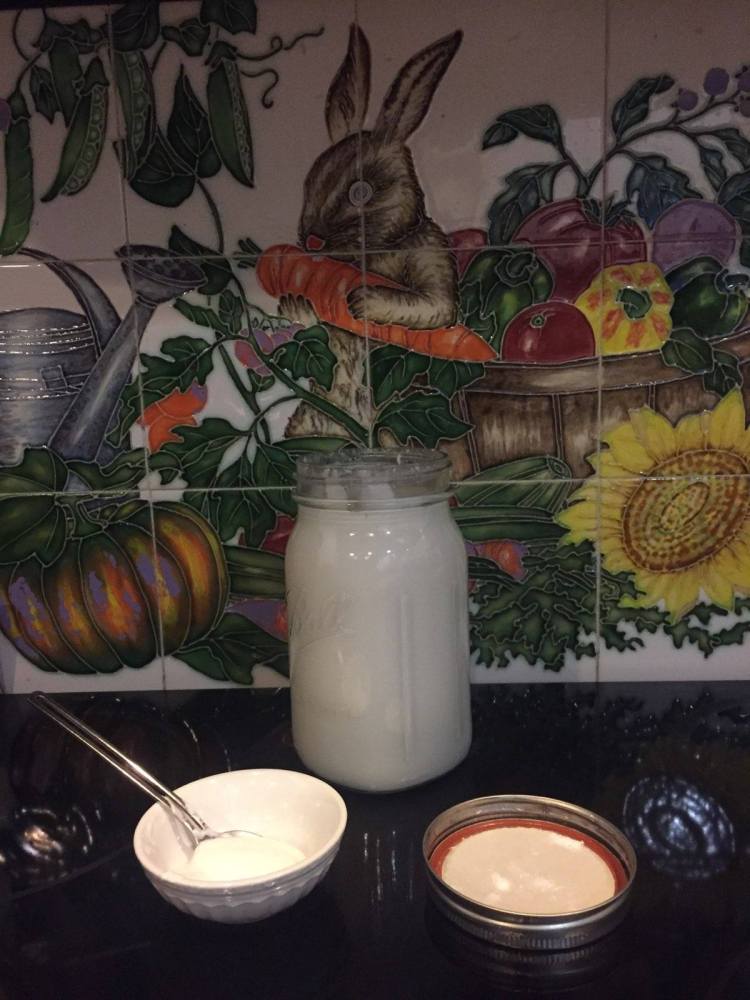
Sue, with her usual enthusiasm, responded “Yeah they are a waste, maybe we should start making our own yogurt.” A few days later I wasn’t surprised to get a text from Sue sharing that she made her own yogurt for the first time. Sue got some yummy yogurt and a little less single-use plastic went into the trash.
There are a lot of yogurt recipes. Feel free to share yours. Following is the one Sue used from Mother Earth News.





 Order of the Sacred Earth OC